





Modern B2B pricing has outgrown legacy tooling
B2B billing used to be straightforward. A customer signed a contract for a fixed annual fee, finance sent predictable invoices, and collections followed a predictable rhythm.
That model is disappearing.
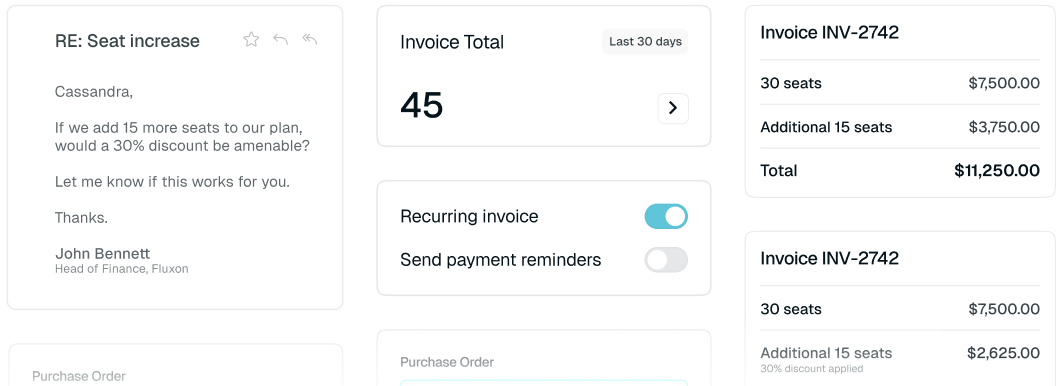
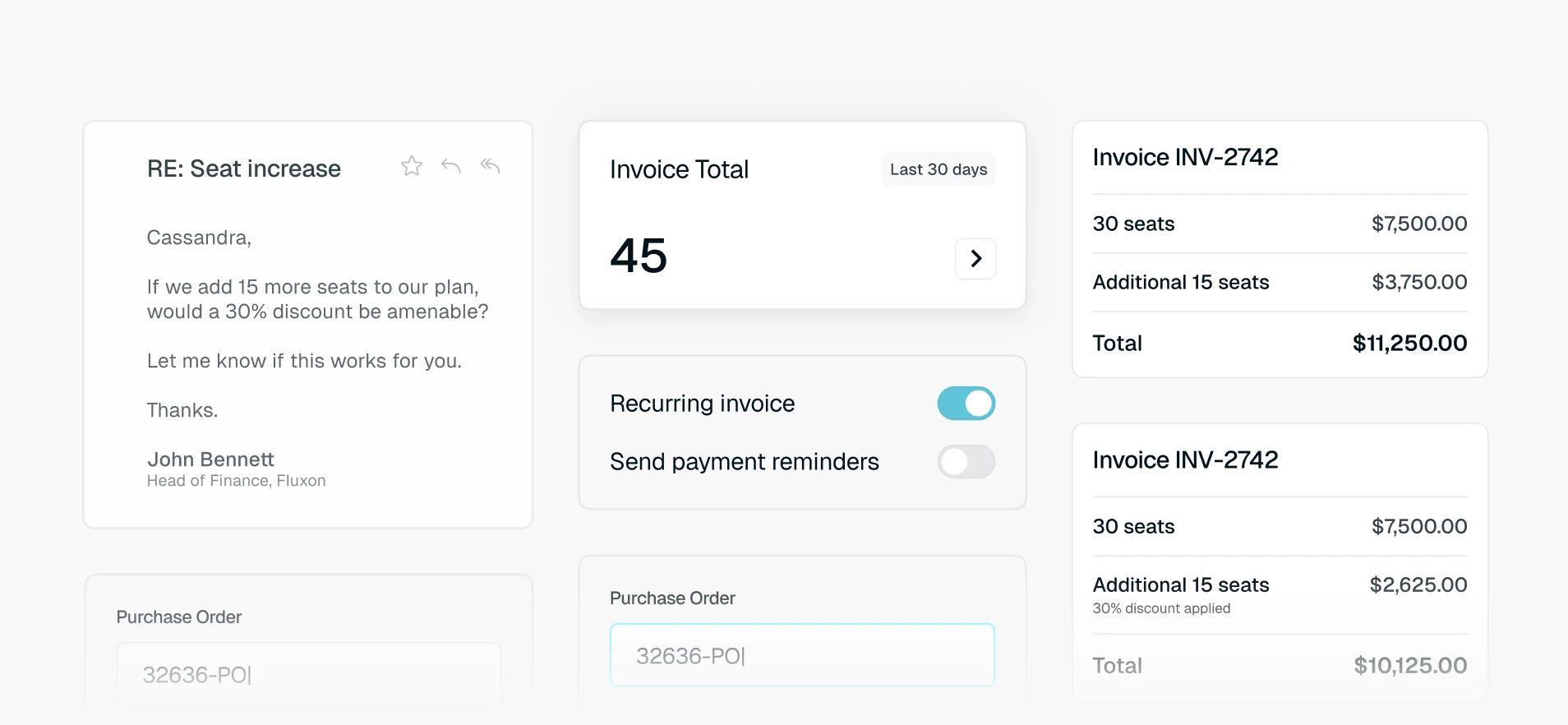
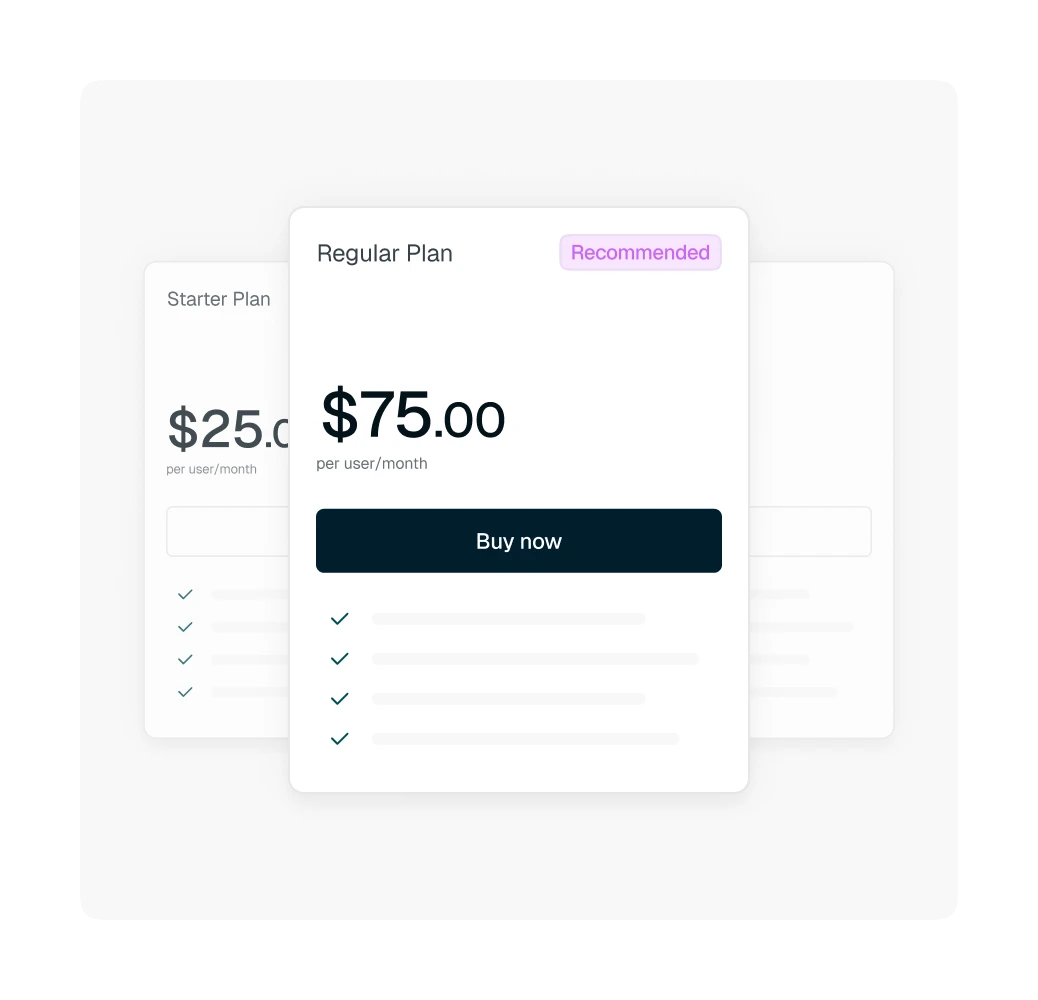
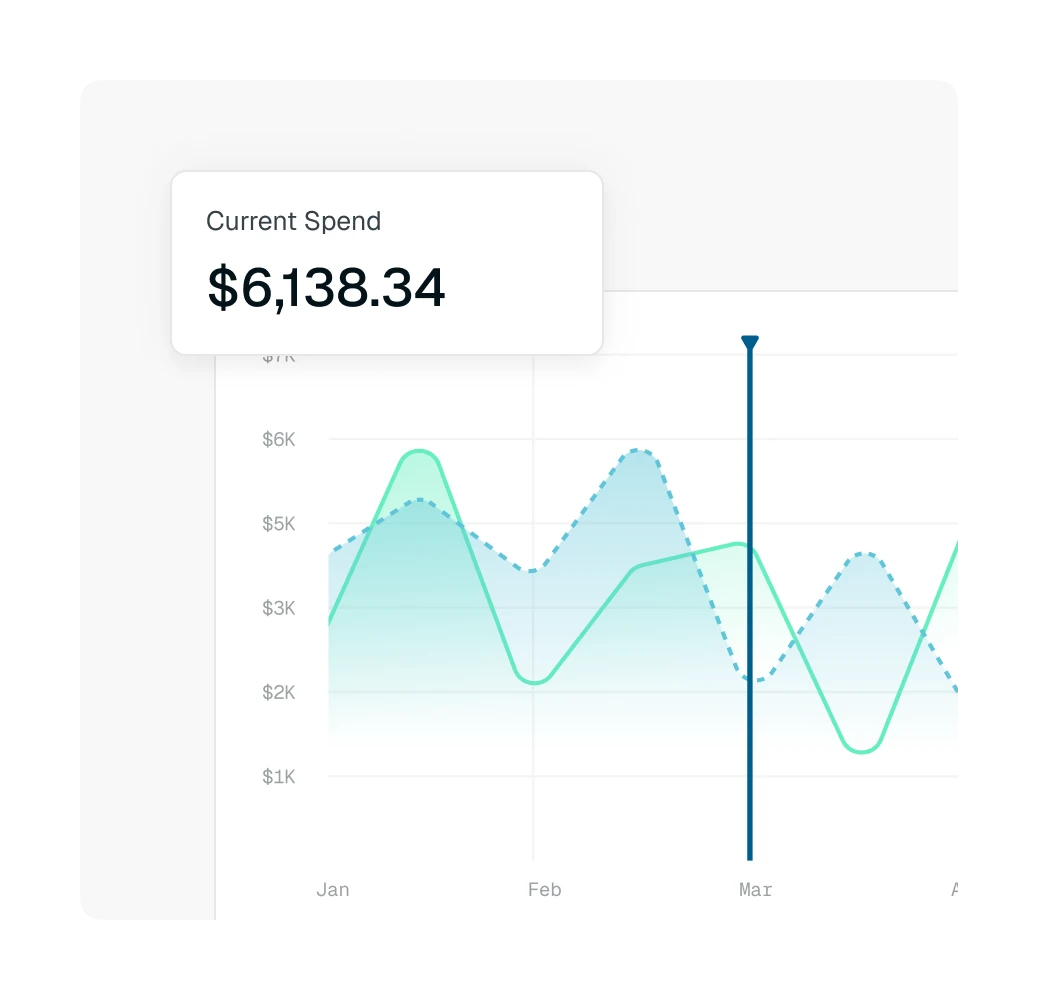
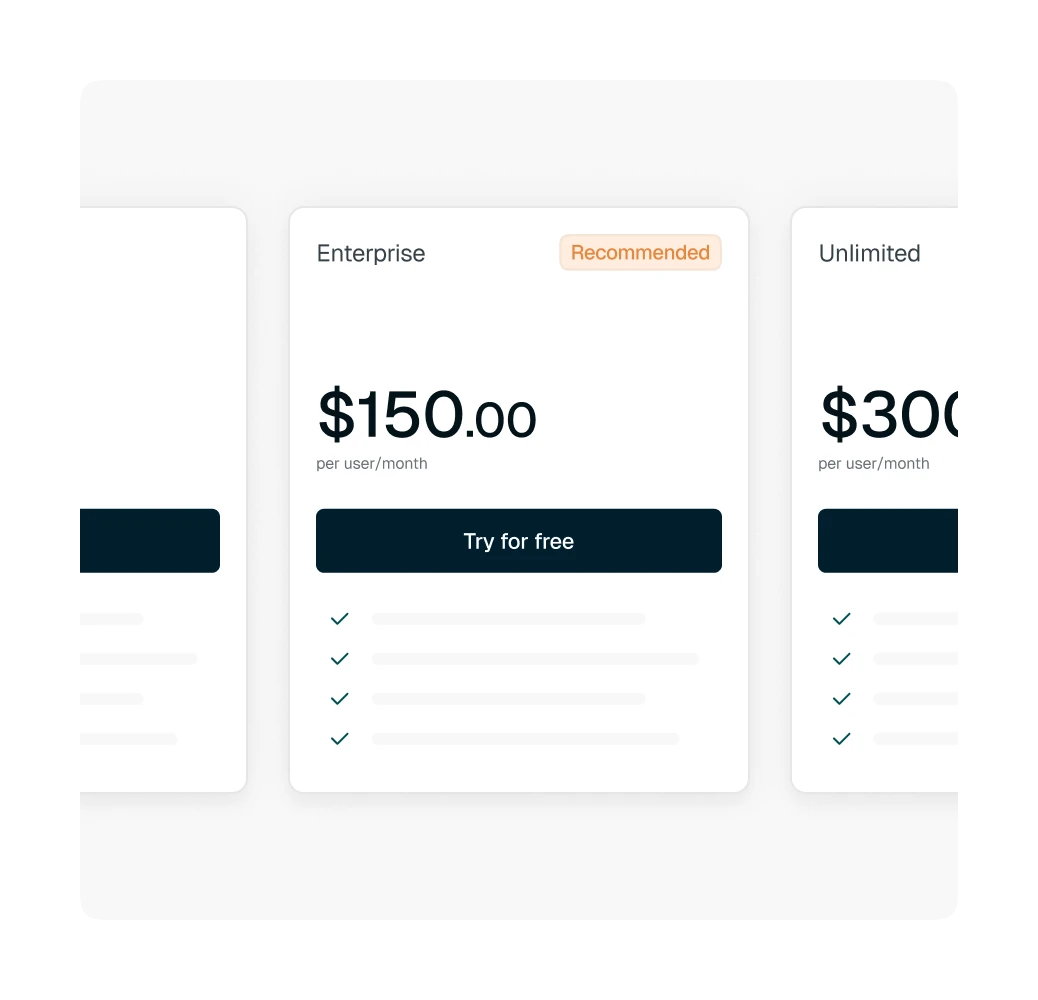
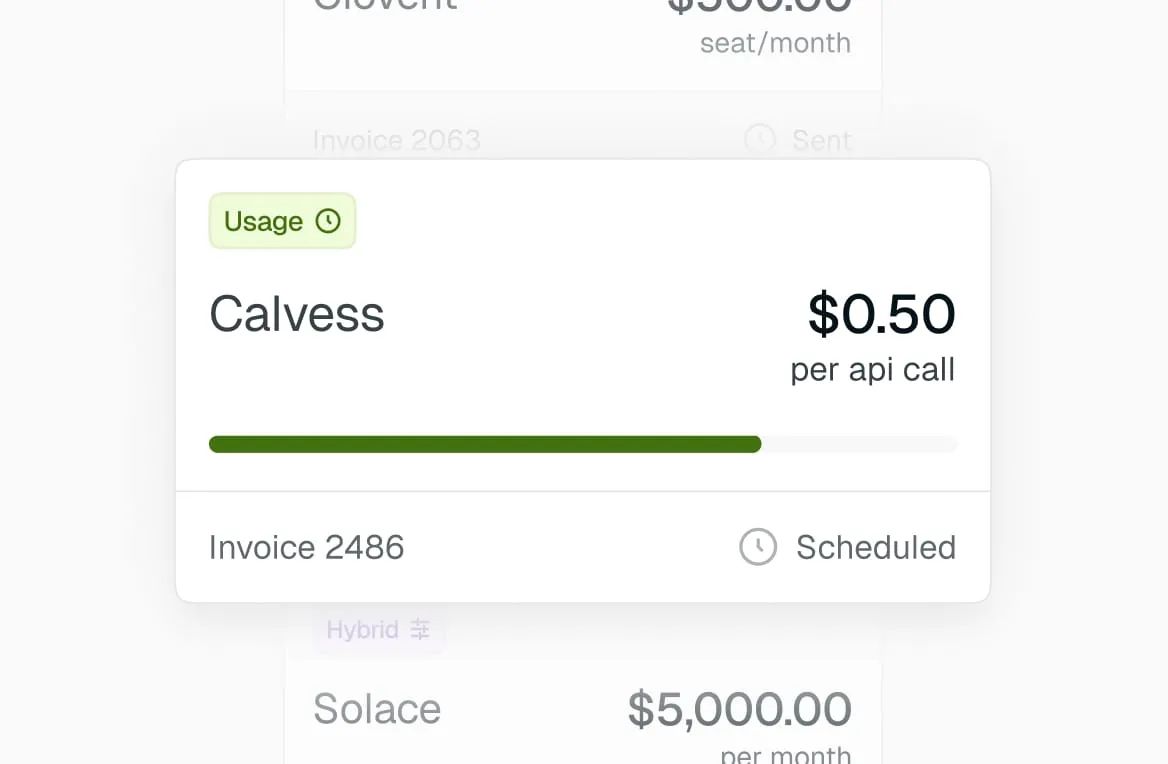
Today’s contracts routinely combine seat-based pricing with usage-based components, include milestone triggers, and allow mid-term amendments. A single agreement may include several of those structures at once.
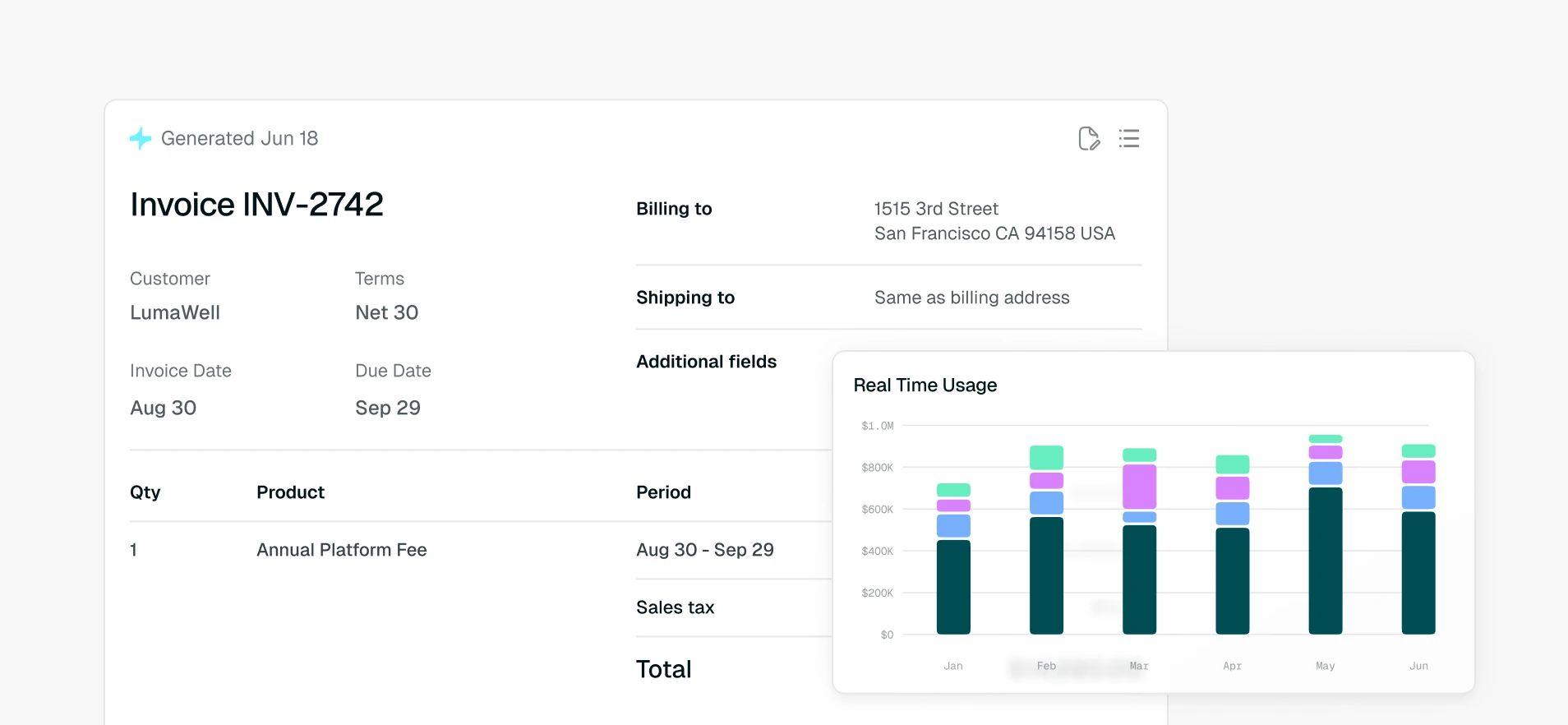
The tools and processes many finance teams rely on were designed for the older model. When those systems meet modern contract complexity, the breakdowns are predictable. Sales Ops exports usage data from one platform. Finance copies it into a spreadsheet, cross-references it against contract terms stored elsewhere, and manually builds an invoice. A discrepancy gets caught after the invoice goes out. The customer disputes it. Collections stalls.
This is a system problem, not a people problem. Finance teams are being asked to run complex billing logic accurately and at scale with infrastructure that was not designed for it. As pricing gets more dynamic, every manual interpretation between contract and invoice becomes another opportunity for error.