


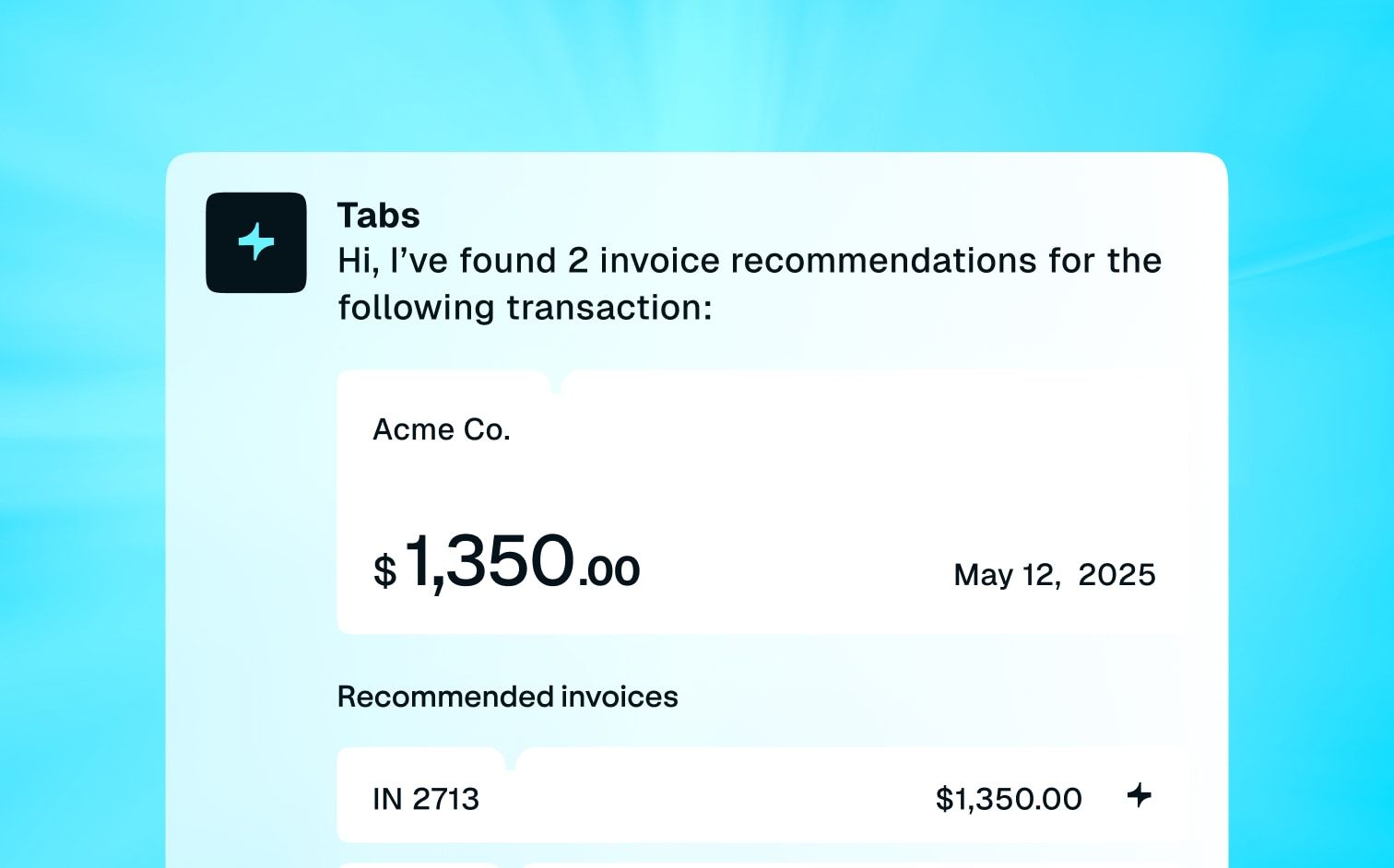


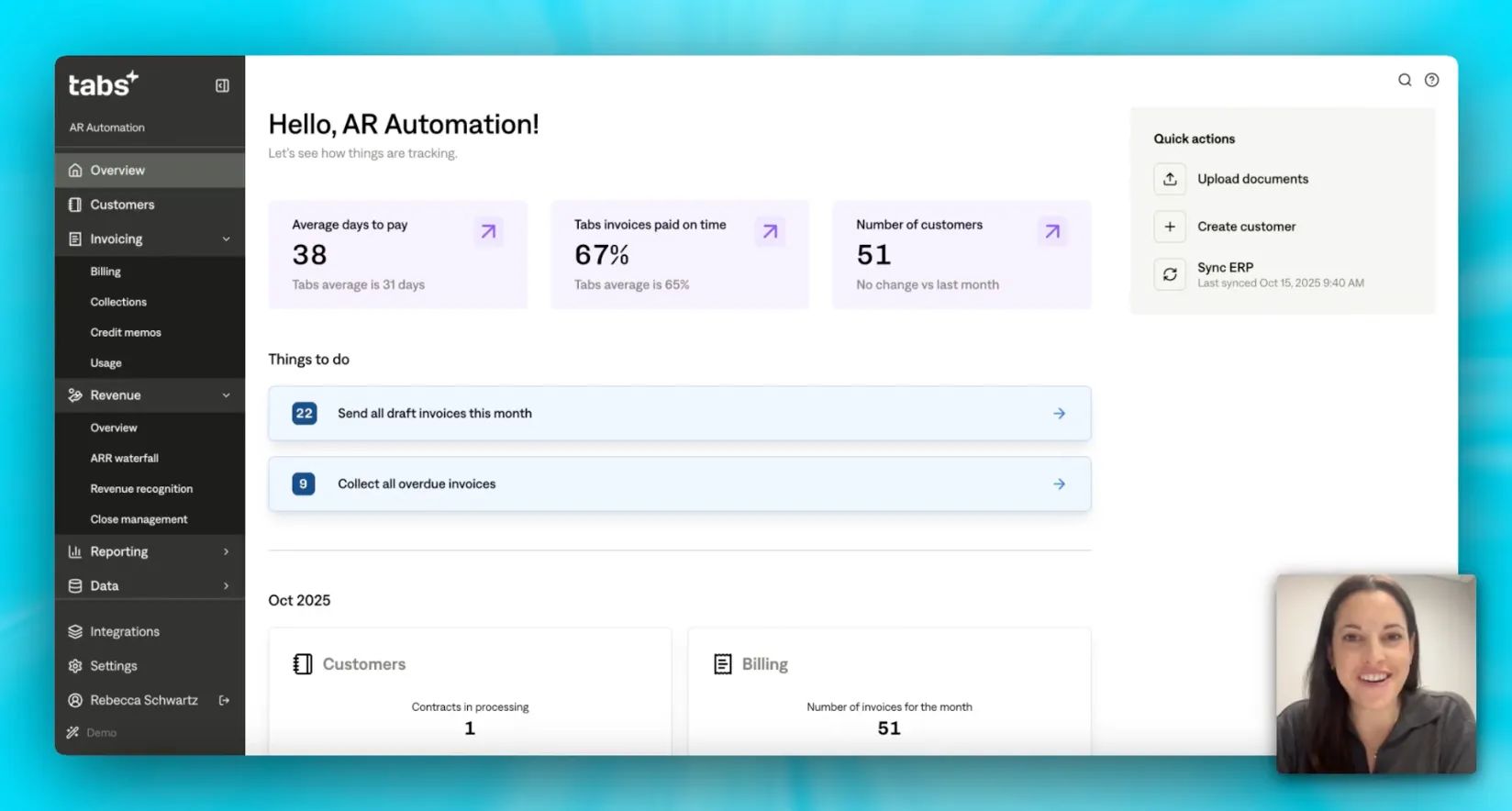

When managing complex billing, collections, and Revenue Recognition workflows, automation without audit trails creates risk rather than reducing it. This guide shows you how to build audit-ready workflows across the contract-to-cash cycle—and how purpose-built Revenue Automation delivers the transparency your auditors require.
What is workflow automation with audit trails?
An audit trail is a time-stamped, permanent record of every action taken within a system. This means you can trace exactly what happened, when it happened, and what triggered it—from contract signature to cash collection.
Workflow automation uses software to execute repetitive tasks without manual intervention. When you combine automation with a digital audit trail, every automated action gets recorded and becomes verifiable. For finance teams who must prove compliance and accuracy to auditors, this combination is foundational.
Without these permanent records, automation becomes a black box. You might know an invoice was generated, but you can't prove which contract terms dictated the pricing or what system triggered the action. Purpose-built Revenue Automation platforms solve this by logging every decision with full context, creating the chain of custody your auditors require.
Why finance teams need workflow automation with audit trails
Finance teams face mounting pressure to close books faster while maintaining absolute accuracy. Deloitte's Q4 2025 CFO Signals Survey found 50% of CFOs now cite digital transformation as their top finance priority for 2026.
Manual processes create risk, slow down your close, and make audits painful. But generic automation layered onto finance workflows often creates more problems than it solves—because it lacks the commercial context to make intelligent decisions.
Tabs is built specifically for this challenge. As a Revenue Automation platform that sits downstream of your CRM, Tabs doesn't just automate tasks blindly. It uses trained models to extract and normalize your specific contract terms, map them to billing logic and Revenue Recognition requirements, and then logs each decision with audit-grade transparency. The difference between generic automation and purpose-built Revenue Automation is the difference between a black box and a system your auditors can actually trust.
KPMG's 2025 SOX Survey found only 17% of total controls are automated. Here's why audit-ready workflow automation has become essential:
- Compliance pressure: Sarbanes-Oxley (SOX), System and Organization Controls 2 (SOC 2), and Accounting Standards Codification 606 (ASC 606) require documented evidence of controls—not just that processes ran, but how they ran.
- Audit readiness: External auditors expect traceable records from contract execution to cash collection.
- Error prevention: Automated logging catches discrepancies before they compound into material misstatements.
- Accountability: Every action ties to a specific source, timestamp, and trigger, eliminating the "who changed this?" scramble.
See audit-ready workflows in action
Benefits of workflow automation with audit trails for revenue operations
Speed is table stakes. Cleanliness is the differentiator.
The best finance teams don't just close faster—they close with clarity. No last-minute surprises, no revenue reinstatements, no audit findings. This confidence comes from building a system of intelligence rather than stitching together disconnected tools.
Reduce errors and manual rework
Automation eliminates re-keying, copy-paste mistakes, and version control issues. When errors do occur, audit trails surface them immediately so you can correct them before they cascade.
Tabs uses AI to extract, normalize, and structure billing terms from signed documents, reducing the manual data entry that introduces errors in the first place. Instead of your team deciphering PDF contracts and typing terms into spreadsheets, the system extracts billing clauses and structures them automatically.
Why it matters: Fewer errors at the input layer means fewer corrections downstream—and fewer audit findings.
Shorten close cycles and audit prep
Automated workflows with built-in logging compress month-end close timelines. According to McKinsey, AI-enabled finance teams spend 20-30% less time on data processing. When auditors request evidence, you pull complete records instantly rather than reconstructing them from emails and spreadsheets.
Tabs maintains a unified audit trail from signed contract to cash collection. Every invoice, payment, and revenue recognition entry links back to its source documentation.
Why it matters: What used to take days of audit prep now takes minutes.
Strengthen compliance posture and internal controls
Audit trails provide the documentation required for SOX and SOC 2 compliance. Every automated action becomes a control point with evidence attached.
This is proactive risk management rather than reactive audit scrambling. You're not just hoping your controls worked—you can prove they did.
Why it matters: Documented controls reduce audit findings and give executives confidence in financial reporting.
Core components of an audit-ready automation system
Not all automation is audit-ready.
TL;DR: If your workflows can't show the source contract term, the rule applied, the timestamp, and the approver (when relevant), auditors will treat automation as a black box.
To satisfy auditors and controllers, your finance stack needs specific architectural components that ensure transparency and control.
Triggers and actions
Triggers are the events that initiate automated workflows—a contract is signed, an invoice becomes due, a payment is received. Actions are the tasks the system executes in response—generate an invoice, send a reminder, recognize revenue.
Your system should log each trigger-action pair with full context for the audit trail to be meaningful. You need to know not just that an invoice was created, but exactly which contract terms and billing logic produced it.
Why it matters: Without this context, auditors can't verify that your automation is applying the right rules.
Controls and guardrails
Audit-ready systems include approval thresholds, role-based access, and exception handling. These controls ensure automation doesn't run unchecked.
Tabs applies billing logic and compliance rules in real time. Instead of processing anomalies blindly, Tabs flags exceptions, routes them for review, and records which contract term, rule, and approver drove the outcome.
Why it matters: Automation without guardrails creates risk. Automation with guardrails creates confidence.
What to automate across the contract-to-cash cycle
Finance teams often struggle to identify which processes to automate first. The highest ROI comes from targeting high-volume, error-prone tasks within the contract-to-cash cycle.
Invoice generation and collections
Invoice generation is notoriously complex for B2B companies managing subscriptions, usage-based pricing, or hybrid models.
Tabs automatically generates invoices based on executed contracts without requiring manual contract review. Tabs uses trained models to interpret commercial terms (pricing, ramp deals, minimums, overages, and invoicing cadence) and translate them into invoice-ready billing schedules.
This automation extends into collections:
- Invoice creation: Triggered by contract terms, not manual data entry
- Payment reminders: Automated sequences based on due dates and payment history
- Cash application: Payments matched to invoices with discrepancy flagging
- Dunning workflows: Escalation paths logged and traceable
Every invoice, reminder, and payment event is logged with full audit trail visibility.
Why it matters: Invoice generation and collections touch every customer and every dollar—automating them with audit trails transforms your entire revenue operation.
Compliance and security requirements for audit trails
Regulatory frameworks raise the bar for how your contract-to-cash data is recorded—especially when a single invoice depends on ramp pricing, usage overages, credits, or mid-cycle amendments. Auditors look for four key elements: completeness, accuracy, tamper-evident logging, and proper retention.
| Framework | Audit trail requirement | What auditors verify |
|---|---|---|
| SOX 404 | Documented internal controls over financial reporting | Evidence that controls operated effectively |
| SOC 2 | Security, availability, and processing integrity controls | Logs demonstrating access controls and data handling |
| ASC 606 | Revenue recognition evidence tied to contract performance | Documentation linking revenue to contract terms |
Tabs maintains SOC 2 compliance and implements enterprise-grade security with encryption and audit-ready controls. Logs are tamper-evident and access-controlled—entries are retained and versioned so any changes are traceable for audit review.
Implementation steps for audit-ready workflows
Transitioning to automated workflows doesn't require rebuilding your entire finance stack.
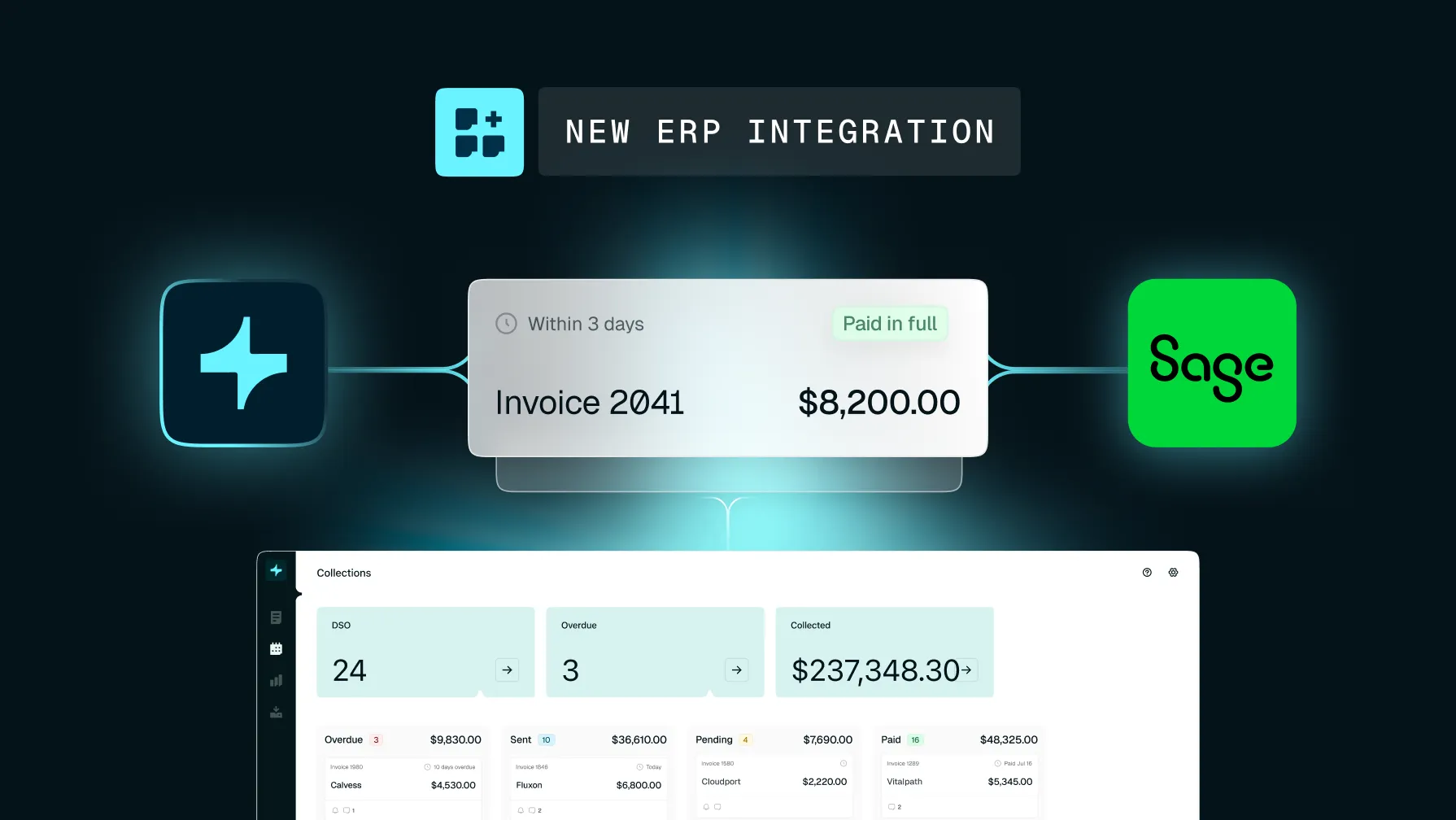
Explore how Tabs can help you go live in <30 days. Tabs integrates with existing ERPs—including QuickBooks, Oracle NetSuite, and Sage Intacct—acting as your system of intelligence that operationalizes signed contract terms across invoices, collections workflows, and Revenue Recognition entries.
Here's the roadmap for deploying audit-ready workflows:
- Map current workflows: Document existing manual processes and identify automation candidates
- Define control points: Determine where approvals, validations, and exceptions should occur
- Configure retention policies: Set log retention periods based on regulatory requirements
- Establish access controls: Assign role-based permissions for viewing and modifying workflows
- Test with real data: Run parallel processes to validate accuracy before full deployment
- Monitor and refine: Review exception rates and audit trail completeness regularly
KPIs to measure automation and audit readiness
You can't improve what you don't measure.
Pull quote: If evidence retrieval takes hours, your close isn't actually closed—it's just waiting for an auditor to reopen it.
Modern CFOs track specific metrics to evaluate automation success and audit readiness.
- Close cycle time: Days from period end to books closed
- Exception rate: Percentage of automated workflows requiring manual intervention
- Audit finding count: Number of control deficiencies identified in external audits
- Evidence retrieval time: Minutes to pull complete documentation for auditor requests
- Control coverage: Percentage of revenue workflows with automated logging
How Tabs delivers audit-ready automation for revenue operations
Tabs is built specifically for B2B revenue operations—not generic workflow automation adapted for finance. Tabs is powered by the Commercial Graph—a system of intelligence that unifies contracts, usage data, payments, and terms into a single commercial record.
Tabs uses AI to extract and structure contract terms from signed documents, applies your billing logic and Revenue Recognition policies, and logs every action with audit-grade transparency. Because Tabs sits downstream of your CRM and CPQ (configure, price, quote), it operationalizes signed contracts without forcing you to abandon existing tools.
- AI-powered contract ingestion: Extracts and structures billing terms from MSAs, order forms, and amendments automatically
- Automated invoicing: Generates invoices based on contract logic—subscription, seat-based, usage-based, or hybrid
- Collections automation: Sends reminders, embeds payment links, and tracks payment status
- Revenue Recognition: Applies Accounting Standards Codification 606 (ASC 606) policies with audit-ready documentation
- Unified audit trail: Every contract, invoice, payment, and recognition event logged and accessible
Frequently asked questions
Does Tabs maintain SOC 2 compliance for billing and collections audit trails?
Yes. Tabs maintains System and Organization Controls 2 (SOC 2) compliance with comprehensive logging across billing, collections, and Revenue Recognition workflows. Logs are immutable and exportable for auditor review.
How does Tabs link audit trails to ASC 606 revenue recognition requirements?
Tabs connects every revenue recognition entry to the underlying contract terms, performance obligations, and billing events. This provides the documentation auditors require for ASC 606 compliance.
Can Tabs retain complete audit logs without slowing down month-end close?
Tabs is designed to retain complete audit logs without creating a separate, manual burden for month-end close. And because logging is handled separately from core transaction processing, it's built to minimize performance impact.