




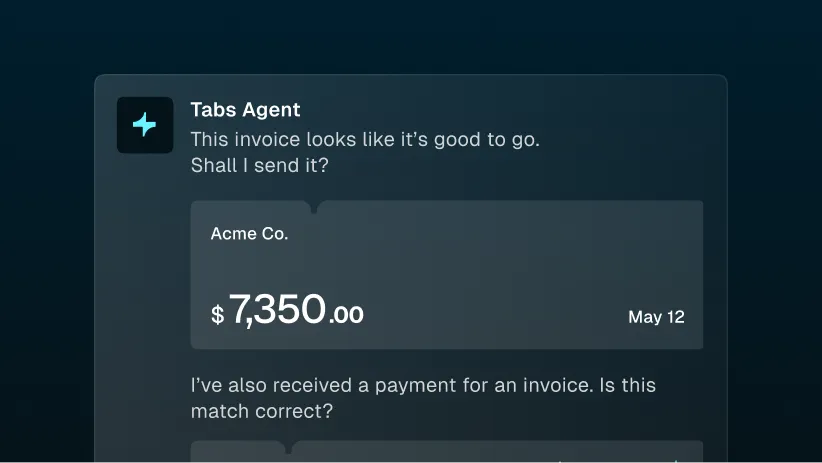
For B2B finance teams managing complex billing models, manual processes and disconnected systems create revenue leakage, slow collections, and compliance risk. This guide breaks down the top revenue automation platforms, what to look for, and how to choose the right one for your contract-to-cash workflow.
What is a revenue automation platform?
A revenue automation platform is software that manages the financial journey of a customer contract—from signature through invoicing and cash collection—and supports compliant revenue recognition. Unlike a CRM that tracks sales opportunities or an ERP that serves as your general ledger, a revenue automation platform sits downstream of your sales tools and focuses specifically on operationalizing signed contracts.
These platforms act as a system of intelligence rather than just a system of record—for example, turning a ramp schedule or milestone clause into the right invoice timing, dunning workflow, and Revenue Recognition schedule. A standard billing tool sends an invoice on a set date. A modern revenue automation platform interprets the specific terms of a contract—ramp pricing, usage thresholds, milestone-based billing—and translates them into executed workflows without manual intervention.
- Contract-to-cash automation: Transforms signed agreements into invoices, payment tracking, and recognized revenue without manual handoffs
- Revenue recognition compliance: Applies ASC 606 rules automatically based on contract structure
- Unified audit trail: Maintains end-to-end traceability from contract signature to cash collection
Why revenue automation platforms matter for B2B finance teams
For many finance teams, getting paid is surprisingly manual. Spreadsheets, emails, and disconnected tools create a fragile web where billable items get missed and invoices go out late. This fragmentation leads to revenue leakage—3 to 4 percent in one Deloitte analysis—and drags out the monthly close.
Revenue automation platforms solve these pain points by connecting your sales data directly to your financial reporting—Deloitte Digital research found B2B organizations using revenue operations were 1.4 times more likely to exceed revenue goals. By automating collections and dunning, companies reduce their Days Sales Outstanding (DSO) and bring cash in faster. Real-time visibility into Annual Recurring Revenue (ARR) and deferred revenue means you make decisions based on current data—not numbers that are weeks old.
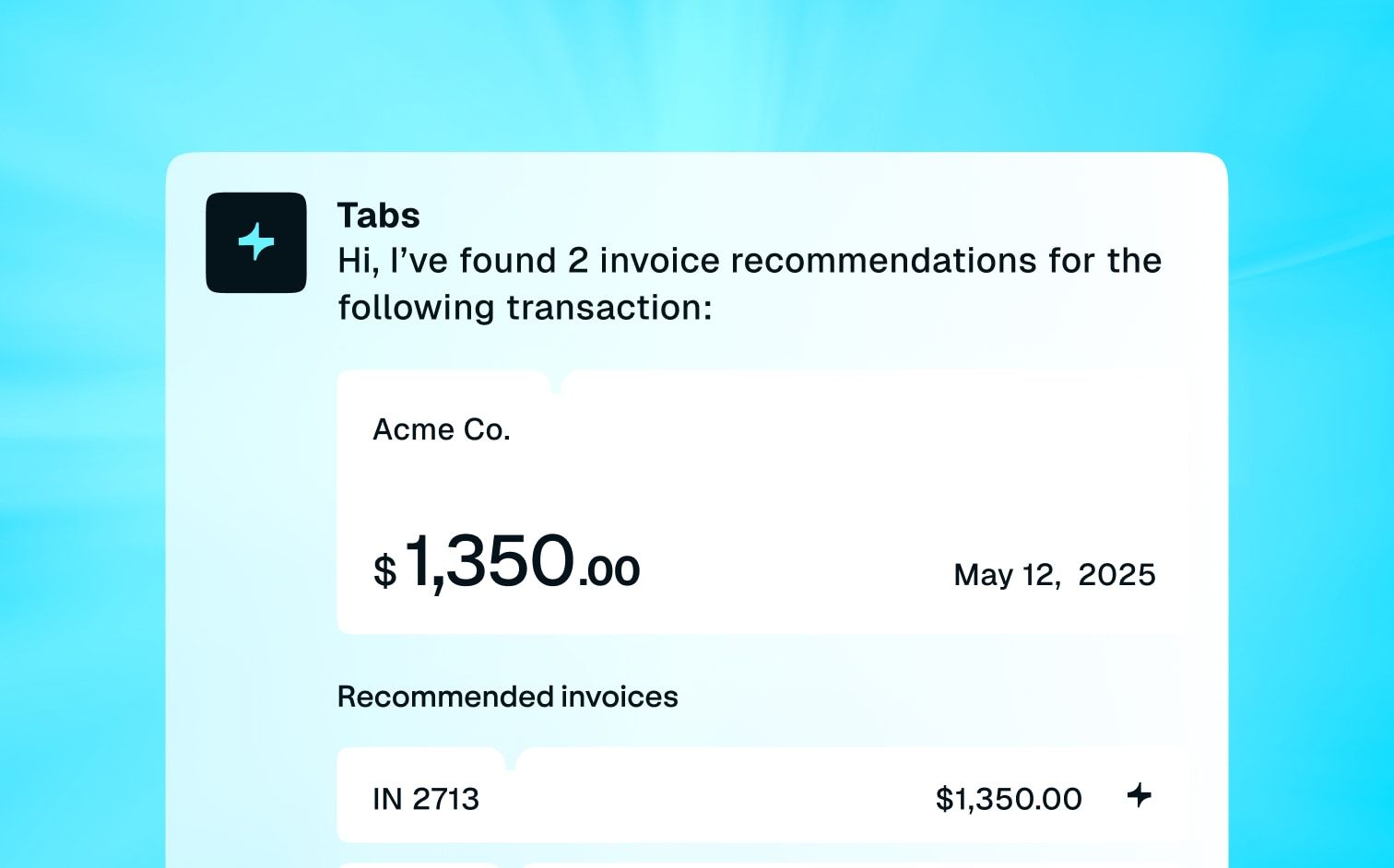
Tabs takes a distinct approach by providing commercial context, not just automation. While generic tools extract dates and amounts, Tabs uses AI models to classify contract terms and map them to billing, collections, and Revenue Recognition workflows based on the business implications of those terms. It detects payment terms like Net 30 and applies the right workflow based on the billing model—for example, usage-based billing vs. a standard subscription.
Automate contract-to-cash—see Tabs in action
Revenue automation platforms at a glance
The table below summarizes the seven platforms covered in this guide—what each is best suited for, its standout capability, and whether it automates ASC 606 revenue recognition.
| Platform | Best for | Standout capability | ASC 606 automation |
|---|---|---|---|
| Tabs | B2B companies managing complex billing models | AI contract ingestion with commercial context / full contract-to-cash | Yes |
| Salesforce Revenue Cloud | Enterprises already invested in Salesforce CRM and CPQ | Unified lead-to-revenue view inside the Salesforce ecosystem | Partial |
| Zuora Revenue | Established enterprises where compliance and scale outweigh speed of implementation | Deep ASC 606 and IFRS 15 for complex revenue recognition | Yes |
| Chargebee | High-volume, lower-complexity subscription and PLG businesses | Subscription billing extended with revenue recognition and analytics | Yes |
| Oracle NetSuite ARM | Teams committed to NetSuite ERP | Native ASC 606 automation inside the NetSuite environment | Yes |
| RightRev | Finance teams whose core need is complex revenue recognition | Multi-element revenue recognition layered onto existing billing sources | Yes |
| Zenskar | Companies whose primary pain is usage-based and hybrid billing flexibility | Flexible metering engine that applies complex pricing logic without custom code | Partial — still maturing |
7 best revenue automation platforms
Selecting the right platform requires evaluating how well it handles your billing complexity, compliance needs, and integration requirements. The following platforms represent the top options for B2B finance teams.
Tabs
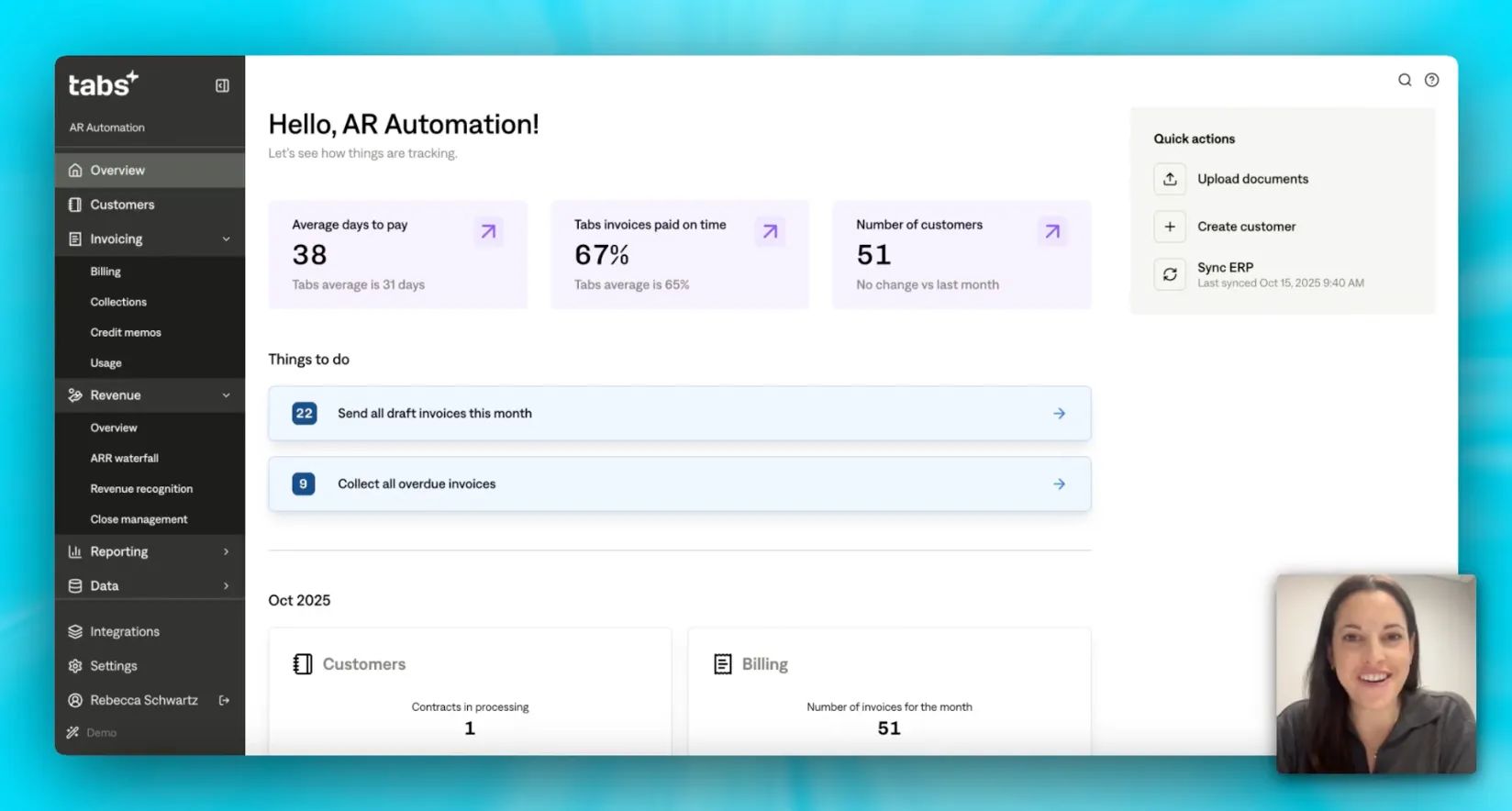
Tabs is an AI-powered revenue automation platform built for B2B companies managing complex billing models. It covers the entire contract-to-cash workflow: billing, collections, revenue recognition, and reporting.
What sets Tabs apart is AI contract ingestion with commercial context—Tabs extracts key terms and converts them into configured billing and Revenue Recognition workflows without manual re-keying. The platform automatically parses signed contracts—PDFs, Word documents, emails—and extracts billing terms. Instead of requiring someone on your finance team to manually read a contract and re-enter fields, Tabs uses AI to extract terms and derive the operational rules needed for billing, collections, and Revenue Recognition. It identifies ramp schedules, usage thresholds, and custom clauses, then translates them into accurate invoicing, collections, and Revenue Recognition schedules.
- AI contract ingestion: Parses unstructured documents to extract billing terms automatically
- Full billing model flexibility: Supports subscription, usage-based, and hybrid pricing without custom development
- ASC 606 compliance: Automates revenue recognition with audit-grade transparency
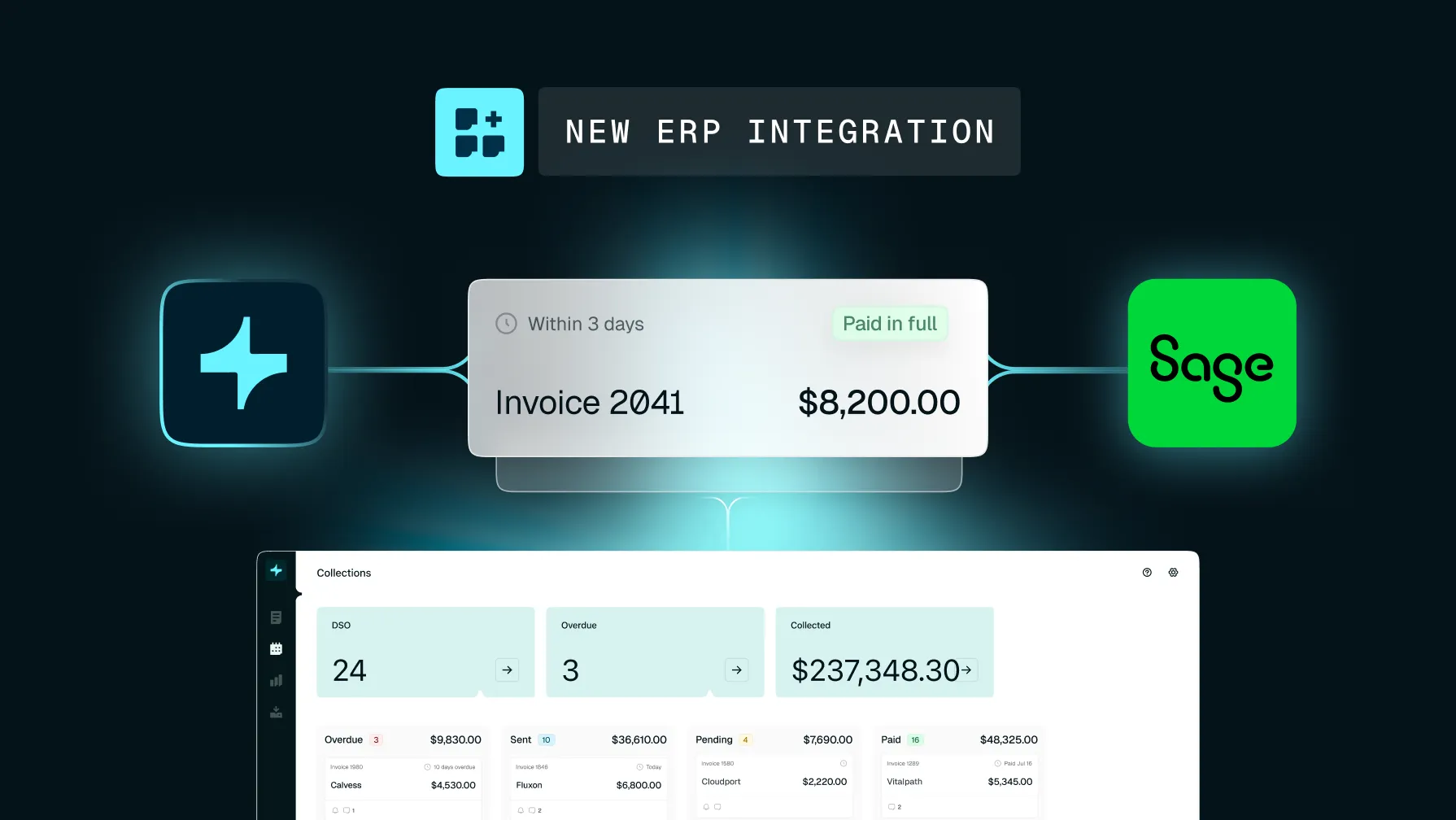
- Native ERP integrations: Connects to QuickBooks, Oracle NetSuite, and Sage Intacct
Salesforce Revenue Cloud
Salesforce Revenue Cloud extends the Salesforce ecosystem into finance operations. It works best for large organizations already invested in Salesforce CRM and Configure, Price, Quote (CPQ) processes.
The platform offers a unified view of the customer from lead to revenue. However, implementation requires specialized consultants and lengthy setup periods. It's robust for enterprises managing complex approval chains but can be overkill for mid-market companies seeking agility. Best for: enterprises standardized on Salesforce CRM and CPQ that want quote-to-cash inside that ecosystem.
Zuora Revenue
Zuora Revenue is a mature platform for large enterprises managing subscription and usage-based billing at scale. It excels in complex revenue recognition scenarios with deep ASC 606 and International Financial Reporting Standard 15 (IFRS 15) functionality.
The platform is powerful but complex to administer. Many organizations need dedicated billing operations staff to manage it. Zuora is ideal for established enterprises where compliance and scale are primary drivers rather than speed of implementation. Best for: established enterprises where compliance and scale outweigh speed of implementation.
Chargebee
Chargebee started as a subscription billing platform and has expanded to include revenue recognition and analytics. It's particularly strong for companies using a product-led growth (PLG) strategy where customers sign up via self-service.
While excellent for straightforward SaaS models, Chargebee can face limitations with bespoke B2B contracts. Companies that frequently negotiate custom terms may need workarounds. It remains a top choice for high-volume, lower-complexity subscription businesses. Best for: high-volume, lower-complexity subscription and PLG businesses.
Oracle NetSuite ARM
Oracle NetSuite Advanced Revenue Management (ARM) is the native revenue recognition module for NetSuite ERP users. It automates ASC 606 compliance directly within the ERP environment.
ARM is primarily a revenue recognition tool, not a full contract-to-cash platform. It relies on other modules or external systems for billing and invoicing. For companies committed to NetSuite, ARM is a logical addition to close the loop on revenue compliance. Best for: teams committed to NetSuite ERP that want native ASC 606 revenue recognition.
RightRev
RightRev focuses almost exclusively on revenue recognition and ASC 606 compliance. It handles complex revenue arrangements like multi-element contracts where hardware, software, and services are bundled together.
Because it focuses on accounting standards, RightRev offers flexibility in integration—it can ingest data from various billing sources. However, it doesn't solve upstream billing and invoicing challenges on its own. Best for: finance teams whose core need is complex revenue recognition layered onto existing billing.
Zenskar
Zenskar is a newer entrant designed for usage-based and hybrid billing models. It offers a flexible metering engine that applies complex pricing logic without custom code.
As a younger platform, Zenskar is still building out revenue recognition depth compared to legacy players. It's a strong contender for companies where billing flexibility is the primary pain point. Best for: companies whose primary pain is usage-based and hybrid billing flexibility.
Core features of revenue automation platforms
When evaluating these tools, look beyond basic invoicing. True revenue automation platforms provide compliance, data integrity, and strategic visibility.
Revenue recognition compliance
For any B2B company, compliance with ASC 606 is non-negotiable. Revenue automation platforms automate the five-step model: identify the contract, identify performance obligations, determine the transaction price, allocate the price to performance obligations, and recognize revenue as obligations are satisfied.
The best platforms handle complex scenarios automatically. If a customer upgrades mid-term, the system recalculates the revenue schedule without anyone opening a spreadsheet.
CRM and ERP integrations
A revenue automation platform must bridge your sales and finance data. It pulls signed contract details from your CRM and pushes accurate financial data to your ERP. This integration must be bidirectional—finance needs visibility into sales data, and sales needs to know payment status.
Integration depth matters more than connector count. A deep integration handles custom fields and complex object mappings, ensuring data integrity across your stack.
Data analytics and reporting
Modern finance leaders need real-time visibility. Revenue automation platforms provide dashboards tracking ARR, Monthly Recurring Revenue (MRR), and deferred revenue. Unlike spreadsheets, these reports let you drill down from summary metrics to individual transactions.
Reporting should also cover collections—aging reports, DSO trends, and at-risk invoice identification.
How to choose a revenue automation platform
The right choice depends on your billing complexity, compliance requirements, and growth trajectory.
Business requirements fit
Assess whether a platform supports your specific billing models. If you run simple subscriptions, most platforms work. But if you have usage-based, hybrid, or milestone-based billing, your options narrow.
Document your most complex billing scenarios and test them during evaluation. If a platform requires workarounds for your standard deal structure, it will become a bottleneck at scale.
Scalability and customization
Consider how the system handles increased transaction volume and international expansion. A tool that works for 100 invoices per month might buckle under 10,000.
Equally important: can you evolve your pricing strategy? The platform should let you launch new models via configuration rather than re-implementation.
Integration and support
Native integrations maintained by the vendor reduce your maintenance burden compared to custom API connections. Look for certified connectors vetted by ERP and CRM providers.
Evaluate the vendor's support model—response times and customer success availability. For mission-critical financial operations, you need a responsive partner during month-end close.
Pricing models for revenue automation platforms
Understanding pricing structures helps you calculate total cost of ownership.
Subscription plans
Many platforms offer flat-rate pricing based on user seats or feature tiers. This provides cost predictability but watch for tier limitations that force costly upgrades.
Usage-based pricing
Some vendors price based on transaction volume or revenue processed. This aligns incentives with your growth—you pay more only when making more. The downside is cost unpredictability during volume spikes.
Custom enterprise pricing
Larger organizations negotiate custom agreements combining subscription and usage elements. These often include implementation services and dedicated support. Factor in internal resources required for implementation when calculating total cost.
Industries that benefit from revenue automation platforms
Certain industries face complexities that make these platforms essential.
B2B SaaS and AI companies
SaaS and AI companies face acute challenges due to complex pricing and strict compliance requirements. They often combine subscriptions with usage-based components—seat-based billing, API calls, or storage. Tabs was built specifically for this segment.
Retail and ecommerce
Retail companies use revenue automation for marketplace operations, channel partner billing, and subscription commerce. Managing seller payouts, platform fees, and chargebacks requires automation at scale.
Hospitality and travel
Hospitality relies on dynamic pricing and complex booking structures. Deferred revenue is a major challenge—when a guest books months in advance, that cash can't be recognized until the stay occurs.
AI in revenue automation platforms
AI is transforming revenue automation from static, rule-only setups to model-assisted term extraction, classification, and exception detection. But distinguish between marketing hype and practical applications.
Predictive analytics for revenue
AI-powered forecasting analyzes historical payment behavior to predict cash flow. Modern platforms don't just tell you when an invoice is due—they forecast when cash will actually land based on how that customer has paid before.
Automated decision systems
AI automates judgment-heavy tasks that previously required human review—according to McKinsey, finance teams using AI spend 20 to 30 percent less time on data processing. Tabs uses AI to extract contract terms from unstructured documents. For example, it maps phrases like "quarterly in arrears" to a billing cadence and invoice timing rule, then applies that rule consistently across invoicing, collections, and Revenue Recognition.
Real-time market analysis
Some teams pair revenue automation with separate pricing analytics tools. But within revenue automation, the more practical AI use cases are contract term extraction, billing schedule generation, collections prioritization, and exception detection.
Implementation plan for revenue automation platforms
A successful implementation requires careful planning. Complexity depends on your billing models and data quality. Many Tabs customers go live in <30 days for standard implementations, depending on billing complexity and data readiness.
- Phase 1 — Discovery: Document current processes, map data sources, define target workflows
- Phase 2 — Migration: Clean and migrate historical contracts and billing records
- Phase 3 — Configuration: Set up billing rules, integrations, and reporting; validate with parallel processing
- Phase 4 — Go-live: Cut over to production, monitor exceptions, refine workflows
Frequently asked questions
Does a revenue automation platform replace an ERP?
No. Revenue automation platforms complement ERPs by handling billing, collections, and Revenue Recognition, then syncing journal entries to your general ledger. Think of it as the operational layer that feeds clean, compliant data to your ERP.
How does a revenue automation platform support ASC 606 compliance?
Revenue automation platforms automate the five-step ASC 606 model by identifying performance obligations, allocating transaction prices, and recognizing revenue as obligations are satisfied—while maintaining the audit trail required for compliance.
What's the difference between billing software and revenue automation?
Billing software sends invoices on a schedule; a revenue automation platform interprets the terms of a signed contract and drives billing, collections, and revenue recognition from them. That commercial context—understanding what the terms mean, not just when to invoice—is the difference.
Is revenue automation the same as RevOps software?
No. RevOps tools focus on pipeline, forecasting, and go-to-market alignment. Revenue automation operationalizes signed contracts downstream of CRM and CPQ, running billing, collections, and revenue recognition.
How much does a revenue automation platform cost?
Pricing varies by model—flat subscription, usage- or volume-based, or custom enterprise agreements. Factor in implementation and internal resources when calculating total cost of ownership.
What's the best revenue automation platform for B2B SaaS?
It depends on your billing complexity and existing stack. Teams with usage-based or hybrid models and complex contracts need AI contract ingestion that reads terms and drives the right workflows—which is where Tabs fits.