





For finance and accounting teams managing complex billing, collections, and revenue recognition workflows, this guide explains how workflow automation with embedded audit trails eliminates manual errors, accelerates month-end close, and creates the documentation you need for ASC 606 compliance and audit readiness.
What is workflow automation with audit trails
Workflow automation with audit trails is a system that executes repeatable finance tasks—like generating invoices or recognizing revenue—while creating a permanent, time-stamped record of every action. This means your billing system doesn't just do the work. It proves exactly what happened, who triggered it, and when.
A basic activity log tells you that something happened. A true software audit trail goes further. It captures the data before and after each change, creating an unbroken chain of custody for your financial records. This distinction matters when auditors ask you to prove that a revenue entry is accurate—or when you need to trace why an invoice went out with the wrong amount.
The audit trail isn't a feature you toggle on. It's embedded into every automated step, running silently in the background while your workflows execute.
Why finance teams need workflow automation with audit trails
Manual processes break down as your business scales. Every time someone re-keys contract data into a spreadsheet or copies billing terms from a PDF, you introduce risk. Errors compound. Audit prep stretches from days into weeks. And disconnected systems create control gaps that auditors love to flag.
Here's what that looks like in practice:
- Manual reconciliation: Hours spent cross-referencing spreadsheets, CRM exports, and ERP entries just to confirm a single invoice is correct.
- Scattered evidence: Control documentation lives in email threads, shared drives, and someone's desktop folder.
- No single source of truth: When something goes wrong, nobody can say who changed what or when.
- Silent revenue leakage: Missed billing terms or incorrect pricing logic go undetected until cash is already lost—often 3% to 4% of transactions.
Audit-ready automation solves this by logging every invoice, adjustment, and recognition entry with full context. But logging alone isn't enough. Generic workflow tools can record that an action happened—they can't tell you whether the action was correct.
This is where commercial context matters. Tabs doesn't just automate tasks. It uses AI models to identify contract terms, classify them into billing and Revenue Recognition scenarios, and translate them into accurate billing workflows and revenue recognition entries. That depth is what separates true Revenue Automation from basic task routing.
Cut revenue leakage with audit-ready automation
Benefits for revenue operations
Reduce errors and manual rework
Every time you re-key data between systems, you create an opportunity for error. Automation eliminates that handoff. When workflows execute based on actual contract terms—not what someone remembered to type—your first-pass accuracy improves—20-25% fewer invoice errors.
Tabs uses AI to extract terms directly from signed contracts and map them to billing and Revenue Recognition logic based on commercial context (for example, proration, ramp schedules, usage tiers, and one-time fees). Your billing logic reflects what was actually agreed—without manual re-keying between sales and finance.
Why it matters: You stop chasing billing errors and start trusting your invoices.
Shorten close cycles and audit prep
Embedded audit trails mean your evidence is already organized when auditors ask for it. No more hunting through email or reconstructing logic from memory. Reconciliations happen automatically, and exceptions surface in real time—not during the month-end scramble.
Why it matters: You close faster—same-day cycles instead of 8-10 days—because you're not spending the last week of every month on catch-up work.
Strengthen compliance posture and controls
Audit-ready workflows provide control coverage across the entire contract-to-cash cycle. Every action carries evidentiary support: who did what, when, and why. This reduces audit findings and demonstrates control effectiveness to leadership.
Why it matters: You shift from defensive compliance to confident scaling.
Core components of an audit-ready automation system
Triggers and actions
A trigger is an event that starts a workflow. An action is what the system does in response. Every trigger-action pair must be logged with full context—timestamp, user, and the exact data state before and after.
Common trigger-action pairs in revenue operations:
- Contract execution: Triggers invoice generation based on billing terms.
- Payment receipt: Triggers Revenue Recognition entries and updates your accounts receivable (AR) balance.
- Usage threshold: Triggers overage billing or internal notifications.
Why it matters: You can trace any financial outcome back to the specific event that caused it.
Controls and guardrails
Automation without controls is a compliance risk. You need guardrails that ensure your workflows scale without sacrificing oversight.
- Role-based access control (RBAC): Limits who can modify workflows or override automated actions.
- Approval matrices: Require sign-off for high-value invoices or manual adjustments.
- Tamper-evident logs: Ensure no one can alter records without leaving a trace.
Why it matters: You get the speed of automation with the accountability of manual review.
What to automate across the contract-to-cash cycle
Invoice generation and collections
Invoice generation is error-prone when done manually. Wrong amounts, missed terms, delayed sends—these mistakes cost you cash. Automation generates invoices from executed contract terms, with validations and approvals to catch exceptions before send.
Collections workflows should also be automated with full audit trails. You need to prove when reminders were sent and what actions were taken on overdue balances.
Key workflows to automate:
- Invoice generation: Create invoices directly from signed contracts without manual re-keying.
- Dunning (collections reminder) sequences: Send automated reminders with embedded payment links, logged at each step.
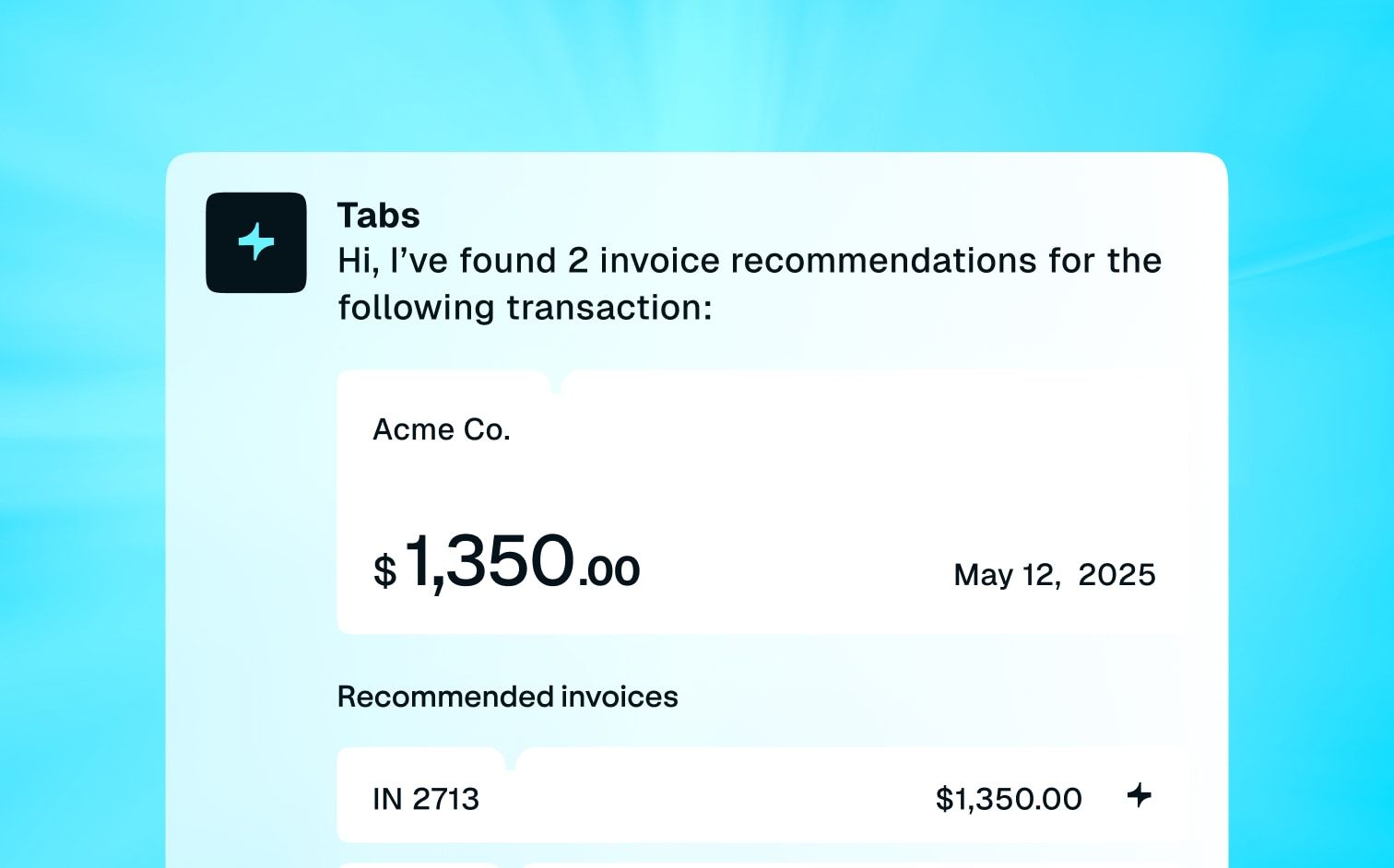
- Payment reconciliation: Match incoming payments to invoices automatically and flag discrepancies.
Why it matters: You get paid faster and can prove your collections process to auditors.
Revenue recognition entries
ASC 606 requires you to recognize revenue based on performance obligations—not just when cash arrives. Manual revenue recognition is slow and error-prone. Automated workflows generate journal entries based on contract terms and billing events, with a complete workflow audit showing how each entry was calculated.
Why it matters: Auditors can trace any recognized dollar back to the underlying contract.
Compliance and security requirements for audit trails
SOX 404 evidence
Sarbanes-Oxley Section 404 requires public companies to demonstrate effective internal controls over financial reporting. Your software audit trail provides that evidence—showing controls operated as designed throughout the period. Automation can reduce reliance on manual control execution and evidence collection, which are harder to test consistently and more prone to breakdowns.
SOC 2 controls
SOC 2 Type II reports require demonstrating that security controls operate effectively over time. Audit trails support this by logging access, changes, and system events. Tabs is built with SOC 2–aligned controls, including encryption in transit and at rest, role-based access control, and tamper-evident audit logs.
ASC 606 documentation
ASC 606 requires detailed documentation of how revenue is recognized—including performance obligation identification, transaction price allocation, and timing. Audit trails capture the inputs and calculation steps, so auditors can trace each revenue entry back to the underlying contract and source events.
Implementation steps for audit-ready workflows
Map current workflows
Start by documenting your existing processes. Who does what? Where does data live? What controls exist today? Process mapping reveals inefficiencies and control gaps that automation can address. Use a responsible, accountable, consulted, informed (RACI) framework to clarify responsibilities across finance and revenue operations (RevOps).
Define control points
Identify where controls are needed in your automated workflows—approvals, validations, segregation of duties. Control mapping ensures automation doesn't bypass necessary oversight. Each control point becomes a logged event in your audit trail.
Test with real data
User acceptance testing must use real contract and billing data, not simplified samples. Testing reveals edge cases and ensures your audit trails capture the right information. Plan for a phased rollout to minimize disruption.
KPIs to measure automation and audit readiness
Close cycle time
Close cycle time measures days from period end to books closed. Automation reduces this by eliminating manual reconciliations and catch-up work. Track month-over-month improvement to prove ROI.
Exception rate
Exception rate measures how often automated workflows require manual intervention. Lower rates indicate cleaner data and better-configured workflows. Monitor this to continuously refine your billing logic.
Evidence retrieval time
Mean time to evidence (MTTE) tracks how long it takes to produce documentation when auditors request it. With embedded audit trails, this drops from days to minutes.
How Tabs delivers audit-ready workflow automation
Tabs sits downstream of your CRM and configure, price, quote (CPQ) systems, operationalizing signed contracts into accurate billing, collections, and Revenue Recognition workflows. We believe finance is the connective tissue of modern business—and deserves tools that move at the speed of change.
AI-powered contract ingestion
Tabs uses AI to extract terms directly from signed contracts—PDFs, Word docs, and emails—with configurable review and exception handling when confidence is low or terms are non-standard. But the AI doesn't just pull data. It uses trained models to extract, normalize, and classify terms (like start dates, billing frequency, seat-based pricing, usage tiers, and renewals) and then generates billing logic aligned to your Revenue Recognition policies.
This commercial context is what separates Tabs from generic document extraction tools.
Automated invoicing and collections
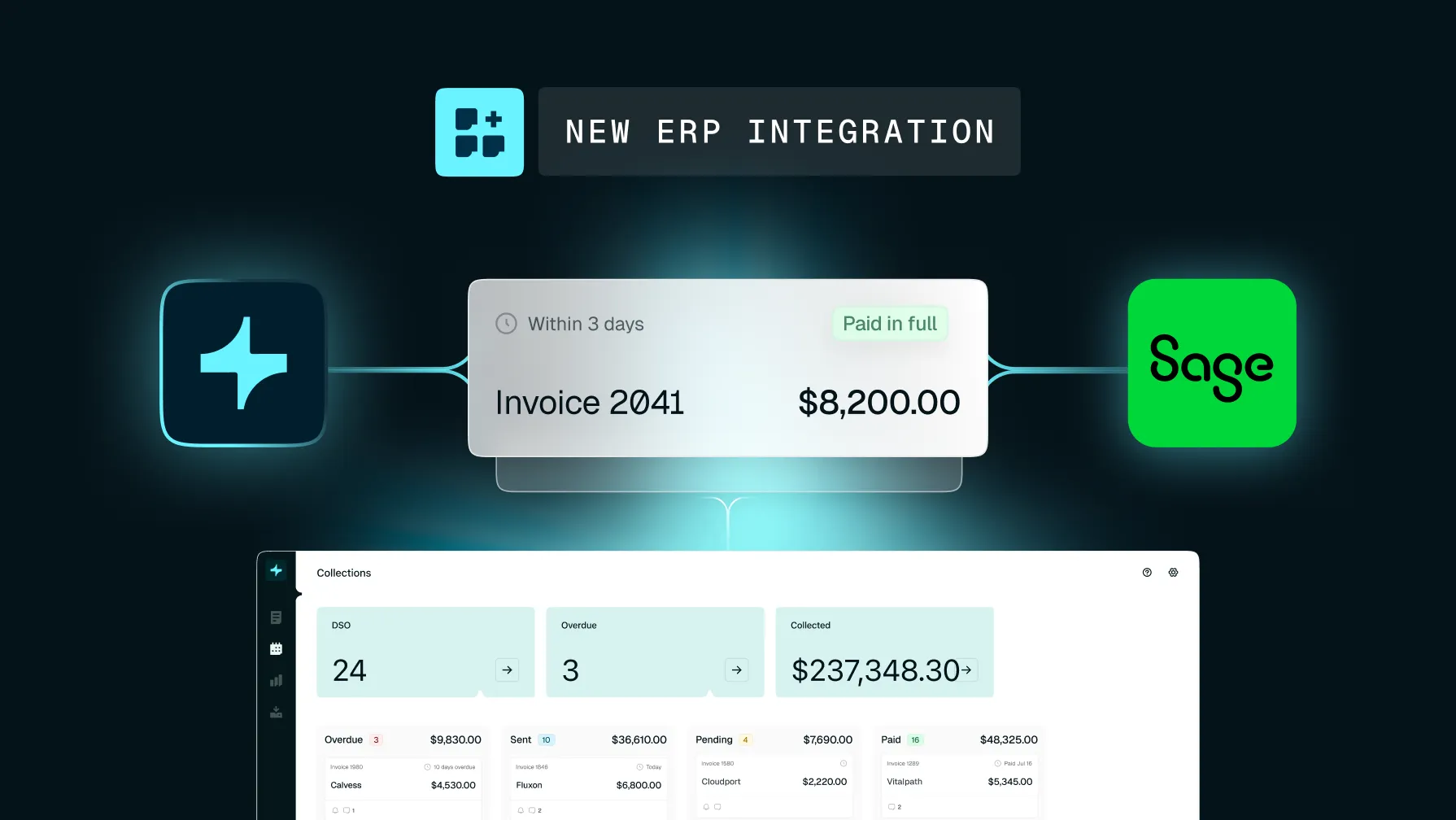
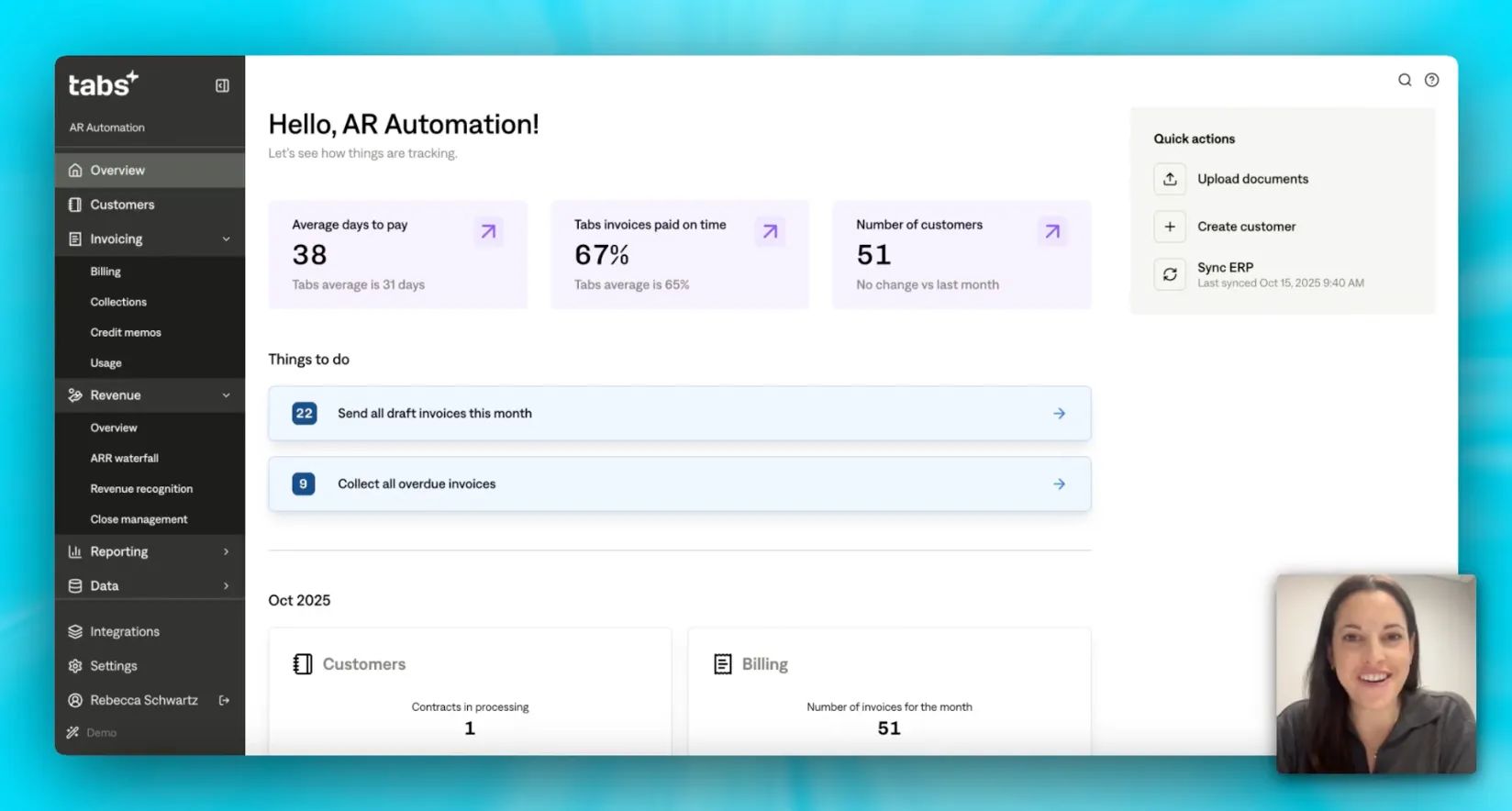
Tabs generates invoices automatically based on contract terms, supporting subscription, usage-based pricing, and hybrid models natively. Collections workflows include automated reminders, embedded payment links, and real-time tracking of overdue balances. Every action is logged with audit-grade transparency.
Frequently asked questions
Does workflow automation with audit trails satisfy ASC 606 documentation requirements?
It can—when your Revenue Recognition policies and contract data are configured correctly. Audit trails document the inputs and logic behind revenue recognition entries (including performance obligation identification and transaction price allocation) to support ASC 606 documentation and simplify audit prep.
How do embedded audit trails reduce month-end close time?
They eliminate the reconciliation and evidence-gathering work that typically extends close cycles. Your team spends less time reconstructing what happened and more time analyzing results.
Which systems need to integrate for end-to-end audit trail coverage?
At minimum, your customer relationship management (CRM) system, billing system, payment processor, and enterprise resource planning (ERP) system must share data with full traceability. Tabs integrates with systems like QuickBooks, Oracle NetSuite, and Sage Intacct to extend traceability across your contract-to-cash workflows, based on your integration scope and configuration.