

If your SSP schedule is a spreadsheet called SSP_Schedule_FY26_v4_FINAL.xlsx, you already know the problem.
Most finance teams manage standalone selling price manually. One spreadsheet per product, updated after every comparable deal closes. Methods drift from contract to contract. When auditors ask how you got to a number, someone has to reconstruct the logic from scratch and hope it holds up.
The stakes are real. Under ASC 606, every multi-element contract requires revenue to be allocated across performance obligations based on SSP. Get the method wrong or apply it inconsistently and your revenue recognition is off.
SSP Shouldn't Live in a Spreadsheet
SSP has always been treated as something that lives outside the revenue system. You close a deal in your CRM, execute it in your revenue platform, and then separately, in a spreadsheet or a RevRec tool bolted on after the fact, someone figures out how to allocate revenue across performance obligations.
That separation is where the problems start. The revenue system doesn't know your SSP methods. The spreadsheet doesn't know what deals just closed. Someone has to bridge the gap every single time, and every time they do, there's an opportunity for the method to drift, the math to be wrong, or the documentation to be incomplete.
Most revenue platforms on the market today don't solve this. They handle billing or they handle RevRec, but SSP methodology, the actual logic that determines how revenue gets split, still lives outside the system in a file someone is maintaining by hand.
The Only Platform That Automates SSP Natively
Tabs is the only platform that automates SSP natively.
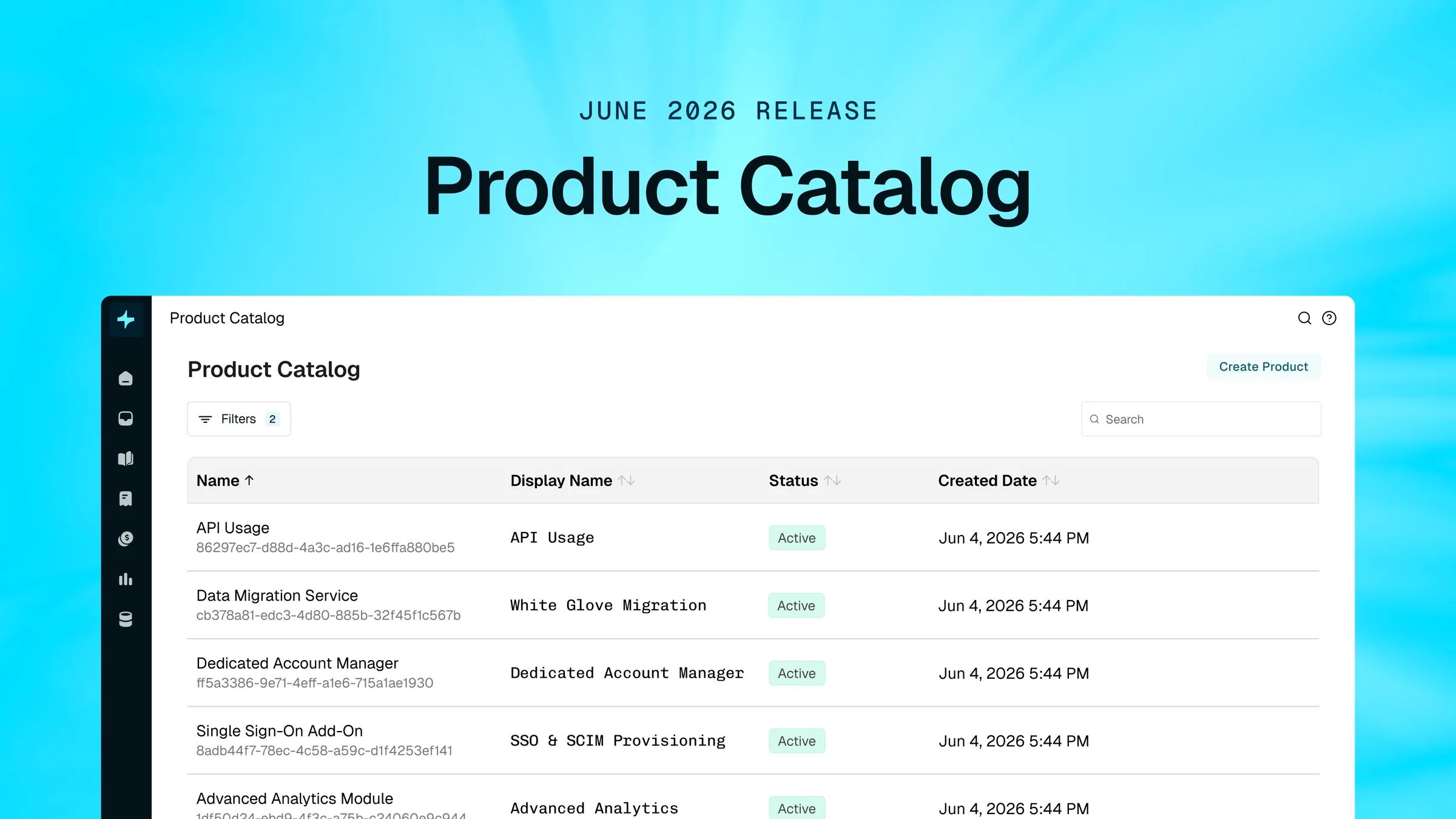
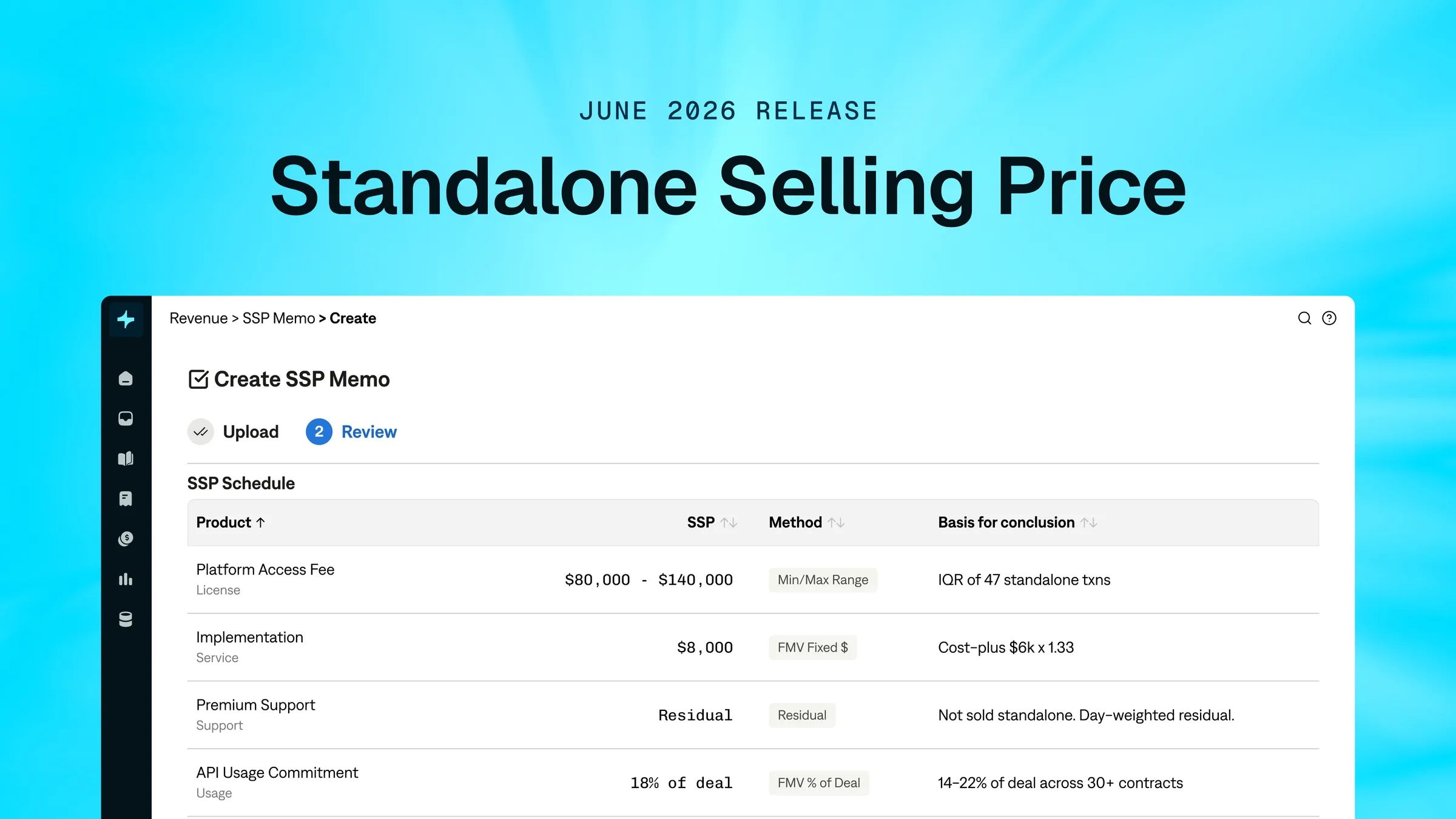
Each product has a defined method: Min/Max, percentage of deal, residual, or cost plus margin. Set once and applied automatically to every contract that includes it. When a deal closes, revenue is allocated across performance obligations instantly, using the methods already in the system. There is no separate step, no external spreadsheet, no manual calculation.
This matters because SSP isn't just a recognition problem. It's a data consistency problem. When SSP lives in a spreadsheet, it's disconnected from the contracts that need it. When it lives in Tabs, it's part of the same system that manages revenue, payments, and reporting. The method, the allocation, and the documentation are all in one place, applied consistently from the moment a contract is executed.
When Auditors Ask, the Answer Is Already There
One of the most painful parts of managing SSP manually is what happens at audit time. Auditors want to see the method, the basis for conclusion, and the SSP value for every contract. When that information lives in a spreadsheet that gets updated quarterly, reconstructing it for a specific contract signed eight months ago is a project in itself.
With Tabs, there is nothing to reconstruct. The method, basis for conclusion, and SSP value are recorded on every contract at execution. When auditors ask, the documentation is already there, complete and consistent.
Less Manual Work. More Confidence at Close.
Finance teams that automate SSP in Tabs stop doing three things: maintaining SSP schedules by hand, manually allocating revenue across performance obligations at close, and scrambling to document methodology at audit time.
What replaces that work is confidence. Every contract is allocated correctly from the moment it closes. Every allocation is defensible. And as your product line grows and deal structures get more complex, the system handles it without the manual overhead growing alongside it.
SSP has always been a compliance requirement. In Tabs, it becomes a competitive advantage.
Book a demo to see it in action.