





Most contract automation tools stop at the signed PDF, leaving finance teams to manually extract billing terms, re-key pricing into invoices, and reconcile revenue schedules in spreadsheets. With 50% of North American CFOs naming digital transformation their top priority for 2026, this guide shows B2B finance leaders how to evaluate contract automation software that connects directly to billing, collections, and Revenue Recognition—so signed agreements become executable finance operations, not static documents.
What is contract automation software?
Contract automation software eliminates the manual work of creating, reviewing, approving, and managing business agreements. Instead of drafting contracts from scratch, chasing approvals via email, and tracking obligations in spreadsheets, you get digital workflows that handle each step automatically.
Most contract management software focuses on getting you to signature. It helps legal and sales teams negotiate terms, collect signatures, and store the final document. But here's the problem: for finance teams, a signed contract is where the real work begins.
Traditional contract lifecycle management (CLM) platforms stop at the signed PDF. They store your agreements securely but leave your finance team to manually extract payment terms, billing schedules, and pricing structures. That manual re-keying introduces errors, delays invoicing, and creates compliance risk.
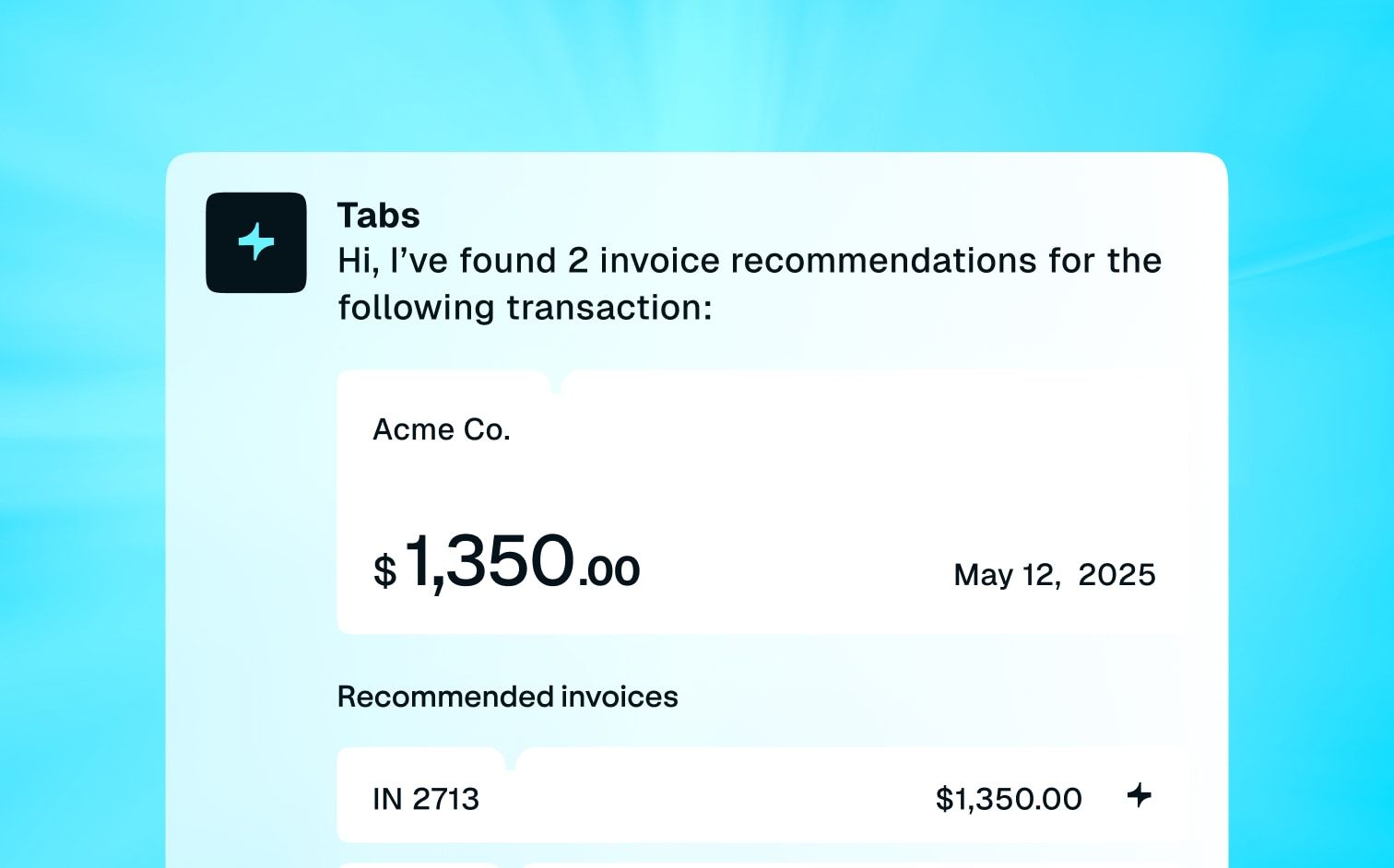
Tabs takes a fundamentally different approach. Rather than just storing contract data, Tabs uses AI models trained on contract language to classify commercial terms and map them into accurate billing workflows and Revenue Recognition schedules—so signed agreements become executable finance operations, not static PDFs. The contract doesn't just get filed. It gets operationalized.
Benefits of contract automation software for B2B teams
Speed is table stakes. Clean execution is the differentiator.
Automating your contract process delivers immediate wins: faster cycle times, fewer errors, and complete visibility into every agreement. But for B2B companies with complex billing models, the real benefit is what happens after signature.
When contract terms flow directly into billing and Revenue Recognition, you eliminate the manual re-keying and interpretation that drive invoice errors, disputes, and delayed cash. Your finance team stops re-keying terms from PDFs. Your invoices reflect exactly what your sales team negotiated. And your revenue schedules stay compliant without spreadsheet gymnastics.
- Faster cycle times: Eliminate manual drafting and email-based approvals that slow deals down—the Deloitte & DocuSign study found advanced agreement management delivers 29% fewer deal delays.
- Reduced errors: Enforce approved language and flag deviations before anyone signs.
- Full visibility: Search contracts by term, date, or obligation instantly.
- Audit-ready compliance: Every action logged with timestamps and user attribution.
- Scalable throughput: Process more contracts without adding headcount.
Contract automation software features that matter
Not all features carry equal weight. The right capabilities depend on whether you need to accelerate pre-signature negotiation or automate post-signature billing. Here's what to evaluate.
AI contract review and risk triage
AI-powered review accelerates turnaround by flagging non-standard terms and scoring risk automatically—critical as 87% of CFOs expect AI to be vital to finance operations in 2026. Attorney-built playbooks help the system flag deviations and suggest approved fallback language during negotiations.
But the best platforms go beyond legal risk. They extract commercial terms—payment schedules, escalators, and usage thresholds—and translate them into the billing rules your invoicing process actually runs on. This is where contract automation starts to connect to cash.
Template editor and clause library control
Template management ensures consistency while reducing drafting time. Clause libraries let your teams insert pre-approved language without copy-paste errors.
Conditional logic adapts templates based on deal parameters automatically. Your sales team moves fast while staying within legal guardrails.
Approval workflows and routing rules
Contract workflow automation replaces confusing email chains with role-based routing rules and clear approval steps. You configure routing based on contract type, value, or risk score.
This creates a complete audit trail of who approved what and when. Bottlenecks disappear because the system escalates or delegates automatically when someone's unavailable.
Browser-based redlining and version control
Browser-native editing eliminates the chaos of Word documents and email attachments. Internal teams and external parties collaborate in real time.
Tracked changes and complete version history prevent confusion over which document is final. Unapproved changes can't slip through.
Native eSignature and audit trail
Built-in eSignature keeps the entire execution process in one secure environment. You don't need to pay for or integrate separate signing tools.
The audit trail captures timestamps, IP addresses, and authentication methods—supporting enforceability and compliance.
Renewal reminders and obligation tracking
Contract renewal management software prevents missed renewals, unwanted auto-renewals, and unmet commitments. Automated reminders surface what needs attention before deadlines hit.
Contract tracking software extracts key obligations and assigns them to specific owners. Your company actually delivers on the promises made during sales.
Smart repository and reporting search
A smart repository uses optical character recognition (OCR) to make scanned documents and legacy contracts searchable. Metadata tagging means you never lose an agreement again.
Contract analytics software surfaces insights on volume, cycle times, and risk exposure. Leaders identify bottlenecks and optimize the entire process.
Contract automation software categories and how they differ
"Contract automation" spans multiple software categories with very different focuses. Understanding this landscape is crucial for selecting the right tool.
CLM platforms and lifecycle control
A CLM system manages contracts from initial request through renewal. These comprehensive tools excel at legal workflow, compliance enforcement, and repository management.
But many CLM platforms stop at execution—leaving finance to re-key pricing, billing schedules, and performance obligations into billing and Revenue Recognition.
AI contract review and negotiation speed
AI contract review tools specialize in accelerating the pre-signature phase through automated redlining and risk analysis. They enforce legal playbooks and speed up negotiations.
These are typically point solutions. They don't manage the full lifecycle or connect to downstream finance systems.
Revenue automation platforms and contract-to-cash
Revenue Automation platforms sit downstream of your CRM and configure, price, quote (CPQ) tools to operationalize signed contracts. They ingest contract data—terms, pricing, schedules—and automatically generate invoices, manage collections, and handle Revenue Recognition.
Tabs bridges the gap between your CLM and ERP. Tabs uses AI models trained on contract language to classify commercial terms (pricing, billing cadence, ramp terms, and usage-based pricing clauses) and map them into billing workflows and ASC 606-compliant Revenue Recognition schedules. No manual re-keying. No spreadsheet workarounds.
Automate contract-to-cash in 30 days
How to evaluate contract automation software for contract-to-cash
Choosing the right platform requires looking beyond features to assess security, integrations, and total cost. Evaluation criteria differ based on whether you need pre-signature legal automation or post-signature financial operationalization.
Security and compliance requirements
Table stakes include SOC 2 Type II certification and encryption at rest and in transit. Enterprise buyers need single sign-on (SSO), System for Cross-domain Identity Management (SCIM) provisioning, and role-based access controls.
For finance use cases, audit-ready controls and data residency options are critical. Your platform must meet the stringent regulatory requirements of your accounting team.
Integrations and data model fit
Contract automation must connect to your existing systems—CRM, ERP, billing tools. Evaluate the depth of integrations. Native connections are far more reliable than basic Zapier links.
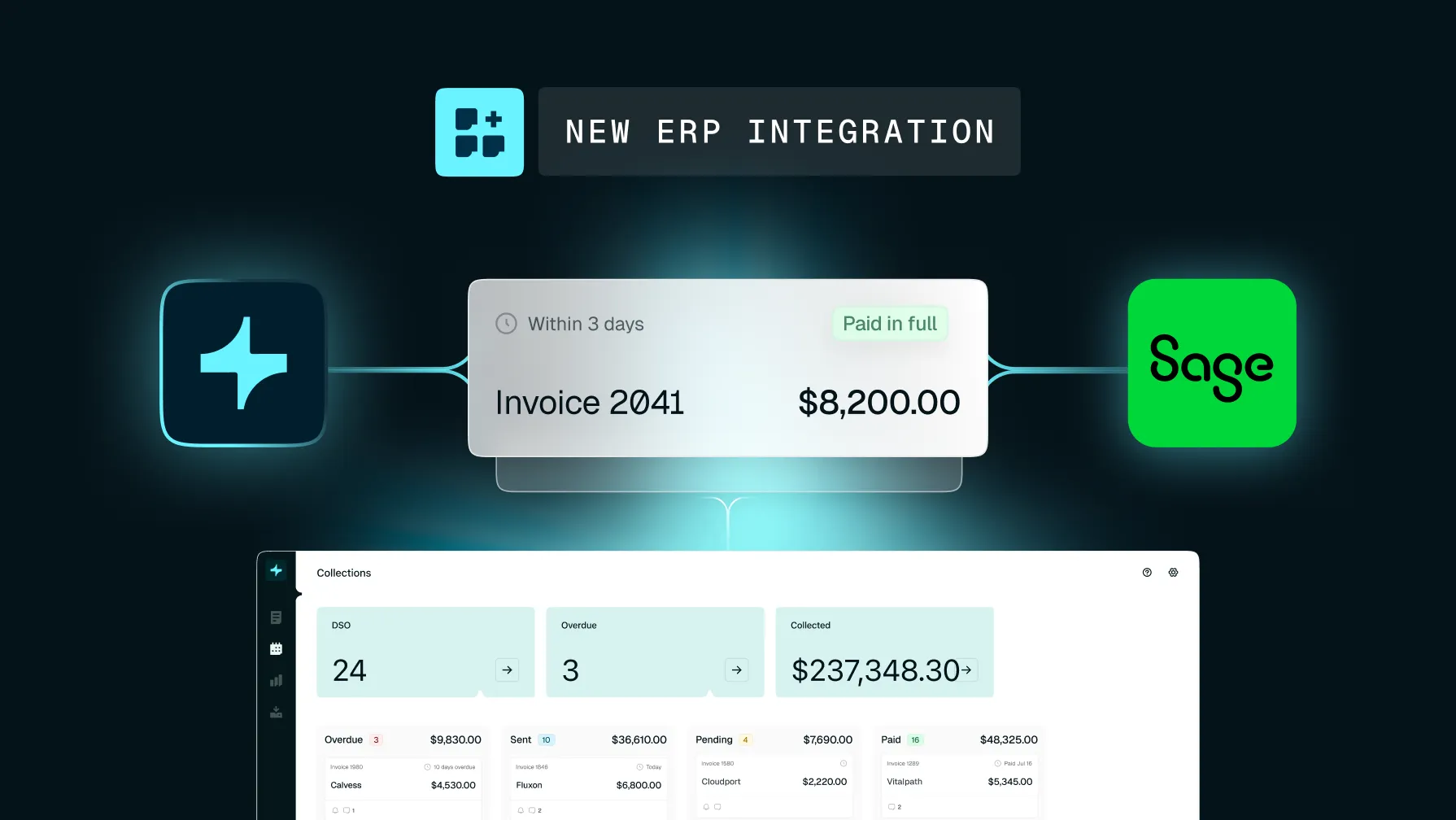
For Revenue Automation, native integrations with ERPs like NetSuite, QuickBooks, or Sage Intacct are mandatory. The platform must also support your contract data model, whether you run subscriptions, Usage-Based Billing, or hybrid billing models.
Implementation timeline and adoption
Implementation complexity varies widely. Some traditional CLM tools require months of professional services. Modern platforms can go live in <30 days, especially when you start with a focused pilot.
Consider change management requirements: user training, migration of existing contracts, phased rollout strategies. A focused pilot often yields the best adoption rates.
Pricing model and total cost
Common pricing models include per-seat licenses, per-contract fees, or flat platform fees plus usage. Watch for hidden costs like mandatory implementation fees or expensive professional services.
Calculate total cost of ownership over a multi-year period. Factor in internal resources required to maintain the system and potential overage charges.
Step-by-step setup for contract automation without heavy lift
Launching contract automation doesn't require a massive IT project. A phased approach lets you start with high-impact areas and scale gradually.
Step 1: Identify high-volume, high-friction contracts
Start where manual contract work creates the most pain. This usually means high-volume, repetitive agreements or contracts with complex billing terms requiring manual interpretation.
Targeting these workflows first ensures rapid return on investment. They're the best candidates for your initial pilot.
Step 2: Map current workflow and data sources
Document your current state. Note where contracts originate, who touches them, and what downstream systems they flow into.
This mapping reveals integration requirements and highlights where data gets manually re-keyed. Understanding these gaps is essential before configuring any software.
Step 3: Pilot one process and measure KPIs
Start with a single contract type or workflow. Define success metrics—cycle time, error rate, time-to-invoice—before you launch.
Run the pilot with a small subset of users. Measure results against your baseline before scaling wider.
Step 4: Scale to contract-to-cash with guardrails
Expand automation based on pilot learnings. For Revenue Automation, this means connecting contract ingestion directly to billing, collections, and Revenue Recognition.
Build in guardrails: approval thresholds, exception handling, audit checkpoints. Maintain control as you scale.
Results from AI contract automation in contract-to-cash
When contract automation connects directly to billing and collections, you remove the manual handoffs that slow invoicing, create disputes, and delay cash collection. Your finance stack becomes a strategic growth driver rather than an administrative burden.
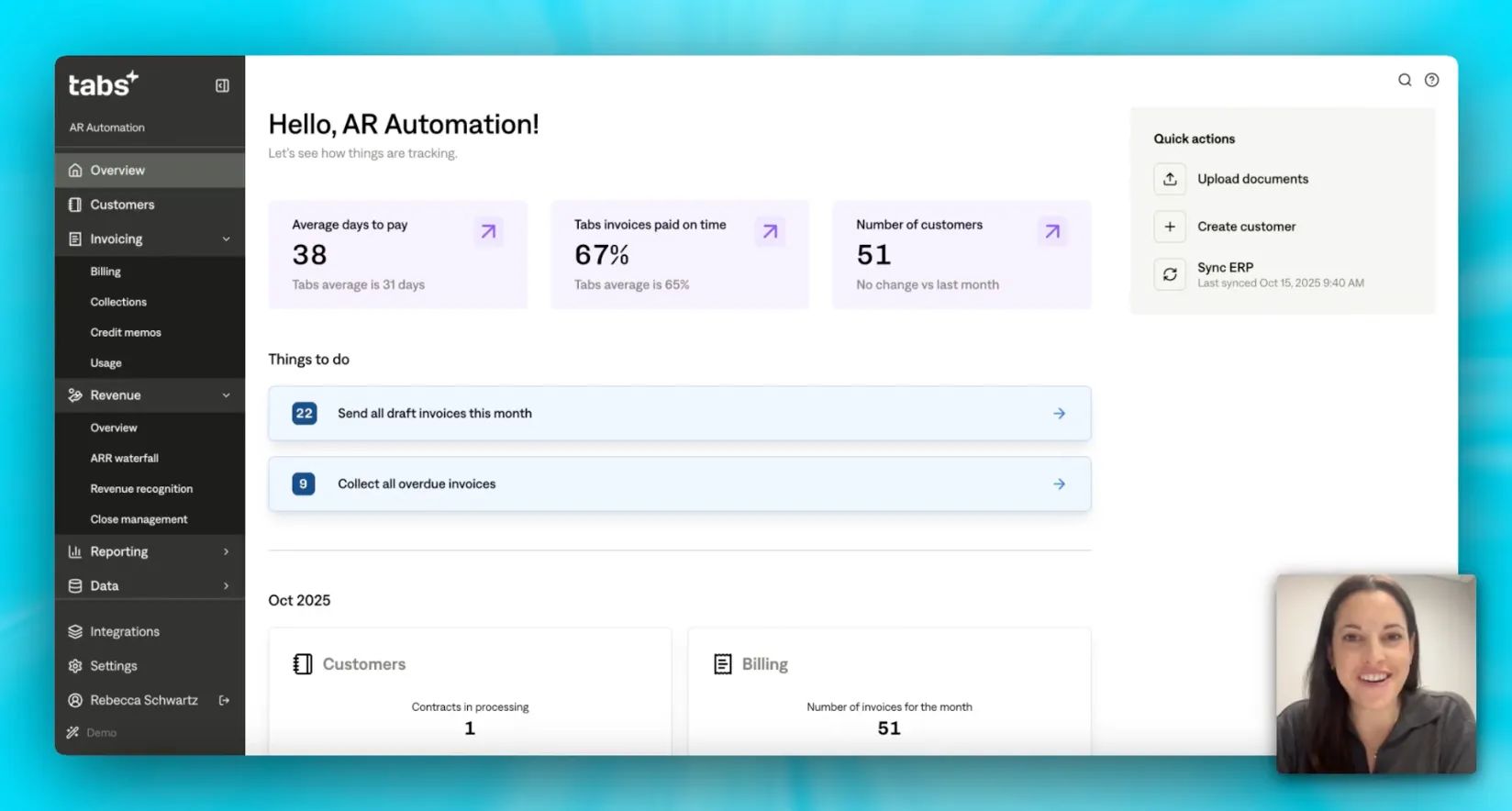
Teams use Tabs to scale invoice volume without proportional headcount growth by generating invoices directly from contract terms and automating dunning based on customer payment behavior. Billing disputes drop because invoices reflect exactly what the contract says.
- Faster time-to-cash: Contracts automatically populate invoices without manual data entry.
- Reduced receivables aging: Automated collections with smart dunning accelerate payment.
- Scalable operations: Handle volume increases without proportional headcount growth.
- Fewer billing disputes: Accurate invoices generated directly from contract terms.
- Audit-ready compliance: Complete trail from contract to invoice to cash collection.
Stop letting signed contracts sit idle while your finance team manually re-keys billing terms. Explore how Tabs can help you go live in <30 days.
Frequently asked questions
Can contract automation software generate invoices directly from signed contracts?
Traditional CLM tools store contracts but don't connect to billing systems. Revenue Automation platforms like Tabs use AI to classify billing-relevant terms from signed contracts and translate them into billing workflows—so invoices reflect the contract's commercial intent without manual data entry.
How does contract automation handle usage-based and hybrid billing models?
Most CLM platforms can't address complex billing structures. Revenue Automation platforms support subscription, seat-based, usage-based, and hybrid billing models by extracting pricing structures from contracts and applying the appropriate billing logic automatically.
What contract data does ASC 606-compliant revenue recognition require?
ASC 606 compliance requires accurate contract terms—performance obligations, transaction price, and timing—to be captured and applied consistently. Revenue Automation platforms extract this data from contracts and generate compliant revenue schedules with fewer manual spreadsheet workarounds and less reconciliation.
How long does contract-to-cash automation take to implement?
Implementation timelines vary widely. Traditional CLM platforms often require months of configuration, while Revenue Automation platforms focused on contract-to-cash can be operational in weeks when starting with a focused pilot.