





For finance teams managing complex B2B revenue workflows, AI contract management offers a path from signed agreements to accurate invoices, compliant revenue recognition, and faster collections. This guide covers how AI transforms the contract lifecycle, the core technologies behind clause extraction and risk analysis, and what to look for in tools that operationalize contract data across your entire finance stack.
What is AI in contract management?
AI contract management uses machine learning and natural language processing to automate tasks across the entire agreement lifecycle. This means software can now parse contract language, extract key terms, and track critical dates without someone manually reviewing every page.
For most legal teams, AI stops at signature. The contract gets filed away, and finance is left to figure out the rest. But for modern finance leaders, the real value starts after the deal closes—when contract terms need to become invoices, revenue schedules, and cash in the bank.
This is where most tools fall short. They extract data, but they don't map terms to downstream billing and Revenue Recognition logic, so finance still has to interpret and operationalize the details. Tabs takes a different approach by providing commercial context—mapping signed contract terms into accurate billing workflows and ASC 606–aligned Revenue Recognition outputs, with an audit trail your team can review.
The system doesn't just extract that a contract says "net 30." It maps the term to your invoice schedule and collections workflow, and it can help you forecast when cash will actually land based on contract terms and historical payment behavior.
Contract AI typically supports three core functions:
- Clause extraction: Pulling key terms, dates, and obligations from unstructured documents like PDFs and Word files
- Risk analysis: Flagging non-standard language or missing provisions that could create problems later
- Obligation tracking: Monitoring deadlines, renewals, and compliance requirements throughout the contract's life
How AI improves the contract lifecycle
Every contract passes through multiple hands before it generates revenue. Sales drafts it. Legal reviews it. Finance operationalizes it. AI contract lifecycle management (CLM) software smooths these handoffs by automating the manual steps that slow everything down.
Draft contracts
Many AI CLM tools can generate first drafts by pulling from pre-approved templates and clause libraries. Instead of starting from scratch, you get a compliant agreement in minutes. This works especially well for high-volume documents like non-disclosure agreements (NDAs), master services agreements (MSAs), and contracts with seat-based billing terms.
Why it matters: Your team stops wasting time on routine paperwork and focuses on deals that need human judgment.
Review clauses
During review, the system uses trained models and rules to compare incoming language against your company's approved playbooks. It flags deviations, suggests alternative phrasing, and assigns risk scores to non-standard terms. You see exactly where a contract differs from your standard—and why it matters.
Why it matters: Legal catches problems faster, and finance gets cleaner contracts to operationalize.
Negotiate terms
Contract management automation accelerates redlining by highlighting problematic clauses quickly. The system can recommend fallback language based on your approved clause library and prior negotiation patterns. Human judgment still drives final decisions, but the technology eliminates hours of manual comparison.
Why it matters: Deals close faster without sacrificing the terms that protect your revenue.
Track obligations
This is where contract data becomes operational. The system tracks renewal dates, payment milestones, price escalators, and compliance requirements, and alerts the right team when action is required. Nothing falls through the cracks because the system tracks every obligation from signature through expiration.
Why it matters: Finance teams stop chasing down contract details and start acting on them.
Benefits of AI in contract management
Fragmented contract workflows slow down invoicing, create billing disputes, and make Revenue Recognition harder to defend in an audit. When you implement AI in your contract workflows, you get specific outcomes that directly impact your bottom line.
- Faster cycle times: Contracts move from signature to invoice without manual handoffs or re-keying
- Reduced risk: Automated extraction eliminates the transcription errors that cause billing disputes, contributing to 36% cost avoidance from risks mitigated according to Deloitte research
- Greater visibility: Finance sees obligations, milestones, and renewal dates in real time—not buried in a shared drive
Cut cycle time
Contract management automation removes the bottlenecks between legal, sales, and finance. Contracts that once took weeks to operationalize now flow directly into billing systems—whether handling straightforward subscription terms or hybrid billing models that combine multiple pricing structures. Speed is table stakes. Cleanliness is the differentiator.
Reduce risk
Manual data entry introduces errors. Those errors lead to incorrect invoices, missed escalators, and revenue leakage—approximately 4% of total spend according to McKinsey research. AI eliminates this by pulling data directly from the source document. Your billing matches your contracts exactly.
Increase visibility
Centralized contract data—managed as a system of intelligence—gives finance a single source of truth. Instead of digging through email threads and shared drives, you get immediate access to the data needed for accurate Revenue Recognition and audit preparation.
Turn contracts into cash faster
Core AI components for contract management
Understanding how contract AI works helps you separate real capabilities from marketing hype. Two technologies power most of what these systems do.
NLP for clause extraction
Natural language processing (NLP) enables software to read unstructured contract text. Using a technique called named entity recognition, the system identifies specific clauses, dates, parties, and terms. This is how a dense PDF becomes structured data your finance stack can actually use.
LLMs and ML for clause suggestions and risk analysis
Large language models (LLMs) and machine learning (ML) enable more sophisticated analysis. They can suggest alternative phrasing, score risk levels, and identify patterns across thousands of historical contracts. Because they operate on probability rather than certainty, human oversight remains essential for high-stakes decisions.
Features to evaluate in AI contract management software
Selecting the right AI contract management software means looking beyond legal review—you need clean contract data that can drive invoicing, Revenue Recognition, and collections. You need tools that operationalize contracts for your entire finance stack—not just your legal team.
| Feature | What it does | Why it matters for finance |
|---|---|---|
| Clause extraction | Pulls key terms from PDFs and Word docs | Eliminates manual data entry for billing |
| Deviation detection | Flags non-standard language | Reduces risk of unbillable terms |
| Workflow orchestration | Routes contracts through approval chains | Accelerates time to invoice |
| Integration depth | Connects to ERP, CRM, and billing systems | Ensures contract data flows downstream |
| Audit trail | Logs every change and decision | Supports compliance and audit readiness |
Finance use cases for AI in contract management
Most AI contract tools are built for legal. They can extract clauses and flag risk, but they don't operationalize signed terms into invoicing, Revenue Recognition schedules, and collections workflows, so finance still re-keys data—introducing errors and delays.
Why this matters: When tools stop at legal review, your highly paid finance professionals become data entry clerks. The contract says one thing. The invoice says another. And nobody catches the discrepancy until a customer complains.
Ingest contracts to generate invoices
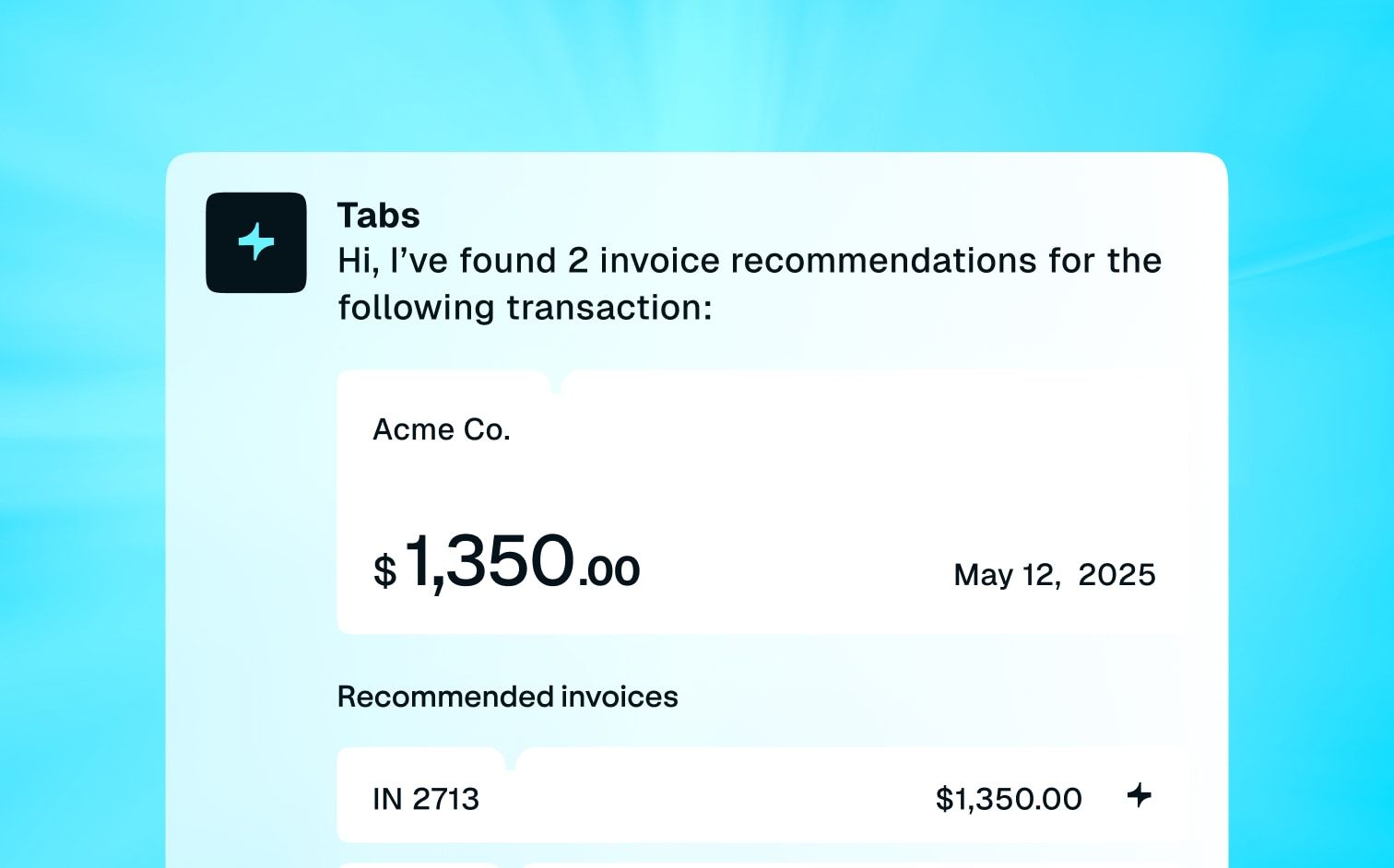
Tabs uses AI to capture billing terms from signed contracts and generate invoices with configurable review and exception handling for edge cases. Unlike generic contract AI that only extracts text, Tabs applies commercial context to map contract terms into billing logic your team can enforce.
This commercial context allows Tabs to automate billing for complex pricing models, including:
- Payment schedules and due dates
- Price escalators and adjustment clauses
- Milestone-based billing triggers
- Usage thresholds and overage terms
- Renewal and termination provisions for subscription-based billing
The result? Your invoices align to what was signed—with fewer discrepancies, faster approvals, and a clearer audit trail when exceptions arise.
How do you implement AI in contract management?
Deploying AI CLM software doesn't have to be a massive transformation project—especially if you start with standardized contracts, define exception paths, and integrate downstream into billing and Revenue Recognition. With the right approach, you can modernize your contract-to-cash workflow in weeks, not months.
- Assess your contract data: Determine where contracts live today and what format they're in
- Define success metrics: Identify what outcomes matter—time to invoice, error rates, Days Sales Outstanding (DSO) reduction
- Start with high-volume contract types: Pilot with standardized agreements before tackling complex custom deals
- Maintain human oversight: Keep finance teams in the loop for exceptions and edge cases
- Integrate downstream: Ensure contract data flows into your billing system, ERP, Revenue Recognition, and reporting layers in your finance stack
The goal isn't to replace your existing tools. It's to connect them intelligently so contract data flows where it needs to go.
Common challenges with AI in contract management
Even advanced AI systems face operational hurdles. Acknowledging these limitations helps you build processes that account for edge cases.
- Data quality: AI is only as good as the contracts it ingests—inconsistent formats and legacy documents require cleanup before automation works smoothly
- Model accuracy: LLMs can misinterpret ambiguous language, making human review essential for high-stakes terms
- Security and compliance: Contract data is sensitive—evaluate how vendors handle data residency, encryption, and access controls
- Integration complexity: Connecting AI contract tools to existing ERP and billing systems requires careful planning
Future of AI in contract management
The gap between legal and finance systems is closing fast. Here's what's coming next.
- Agentic workflows: AI that doesn't just extract data but takes action—generating invoices, triggering collections, updating revenue schedules—delivering nearly 30% higher ROI according to a 2026 Deloitte study
- Tighter contract-to-cash integration: Legal repositories and finance systems will share data seamlessly
- Regulatory clarity: Frameworks like the EU AI Act will shape how AI handles sensitive contract data
- Multimodal capabilities: AI that processes text, images, tables, and handwritten amendments together
See how Tabs turns contracts into cash faster
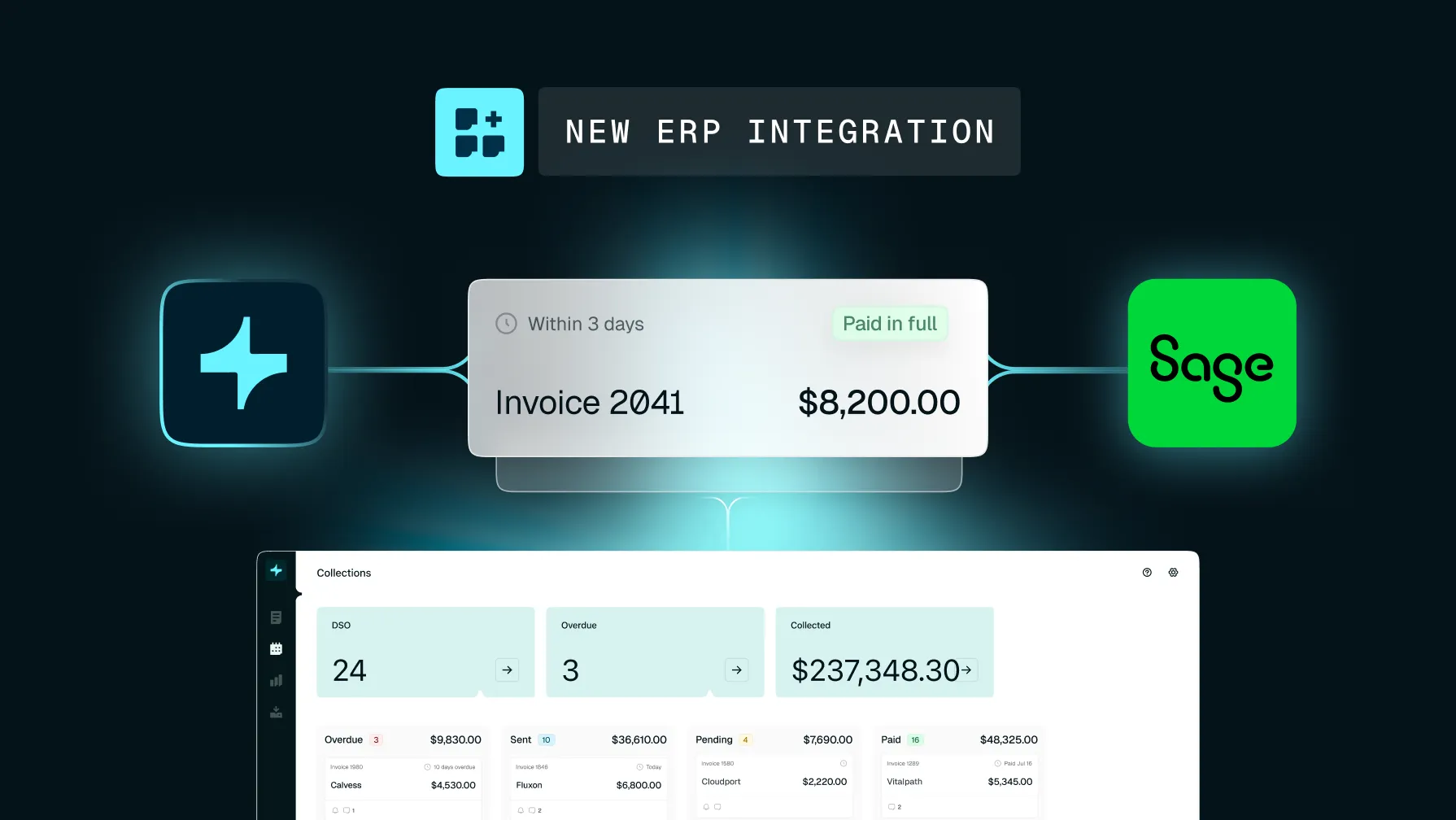
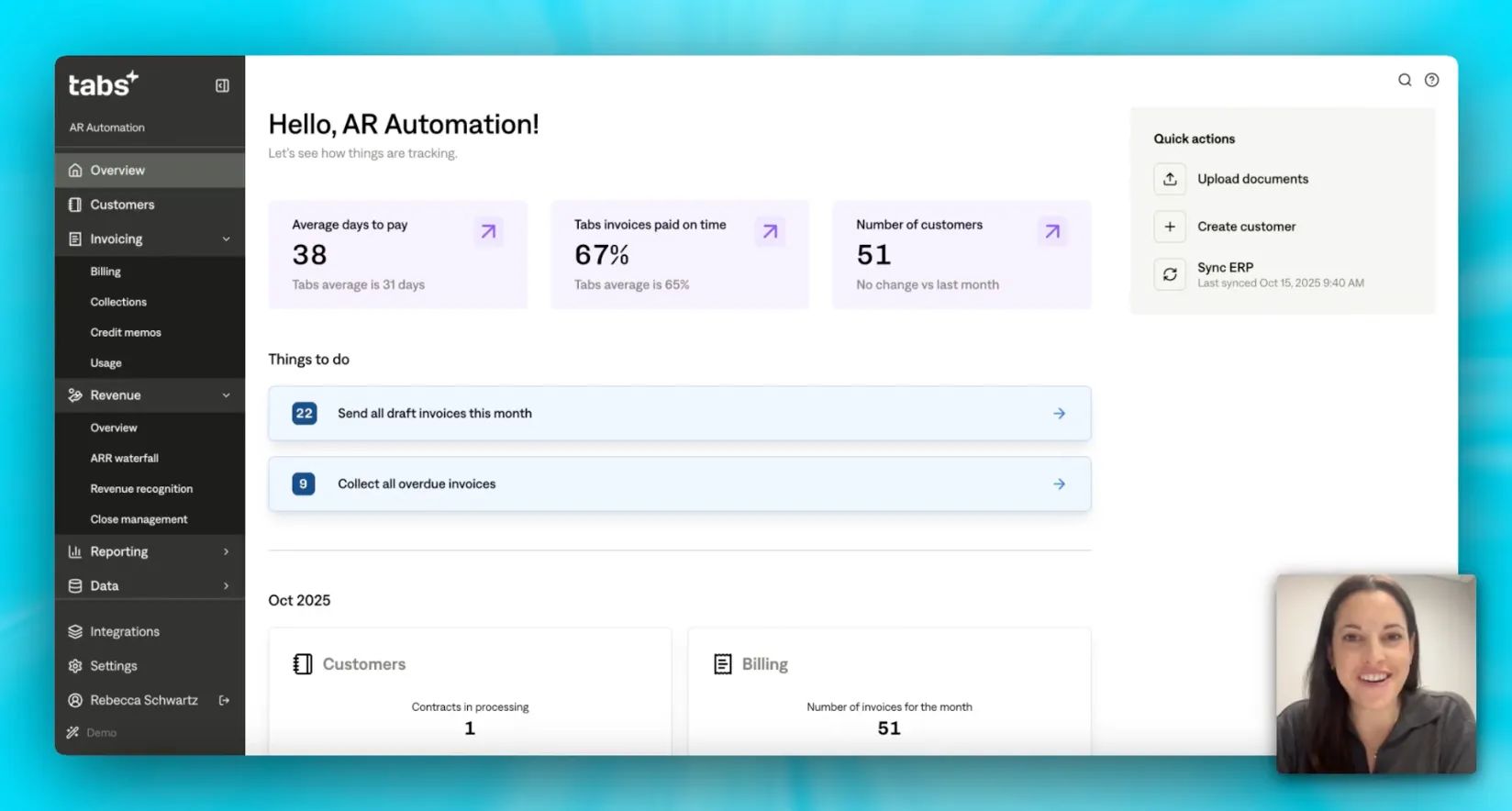
Tabs sits downstream of your CRM and CPQ, focused on operationalizing signed contracts. Tabs applies commercial context to map what the contract says into billing workflows, Revenue Recognition outputs, and collections actions—not just extracted fields.
- AI contract ingestion that captures billing terms automatically
- Invoice generation without manual data entry
- Revenue Recognition that stays compliant with ASC 606
- Collections automation that reduces DSO
Explore how Tabs can help you go live in <30 days.
Frequently asked questions
How does AI extract billing terms from contracts without manual review?
AI uses natural language processing to identify specific clauses, dates, and payment terms within unstructured documents. The system maps these extracted terms to your billing logic automatically, eliminating the need for someone to read every contract and re-key the data.
Will auditors accept AI-generated revenue schedules under ASC 606?
Auditors evaluate your controls and audit trail, not the technology itself. AI-generated schedules are acceptable when supported by clear documentation, human oversight, and traceable logic back to the original contract terms.